
The Supreme Court's recent Voting Rights Act ruling has triggered a fast-moving redistricting fight across the South, with lawmakers in several states pushing for new congressional maps even as questions mount over whether changes can be made in time for upcoming elections. Simultaneously, the U.S. military conflict with Iran surpassed 60 days on Friday, raising the stakes of a constitutional showdown between Congress and the Trump administration over war powers authority that is set to dominate Sunday's political talk shows.
Justice Neil Gorsuch, who was part of the 6-3 majority in the Louisiana redistricting case, is scheduled to appear exclusively on Fox News Sunday. Acting Attorney General Todd Blanche will face questions on NBC's Meet the Press regarding the Justice Department's new indictment against former FBI Director James Comey. Transportation Secretary Sean Duffy will discuss Spirit Airlines' shutdown on ABC's This Week, while Georgia Sen. Raphael Warnock appears on CBS's Face the Nation to address both domestic and foreign policy concerns.
What the Left Is Saying
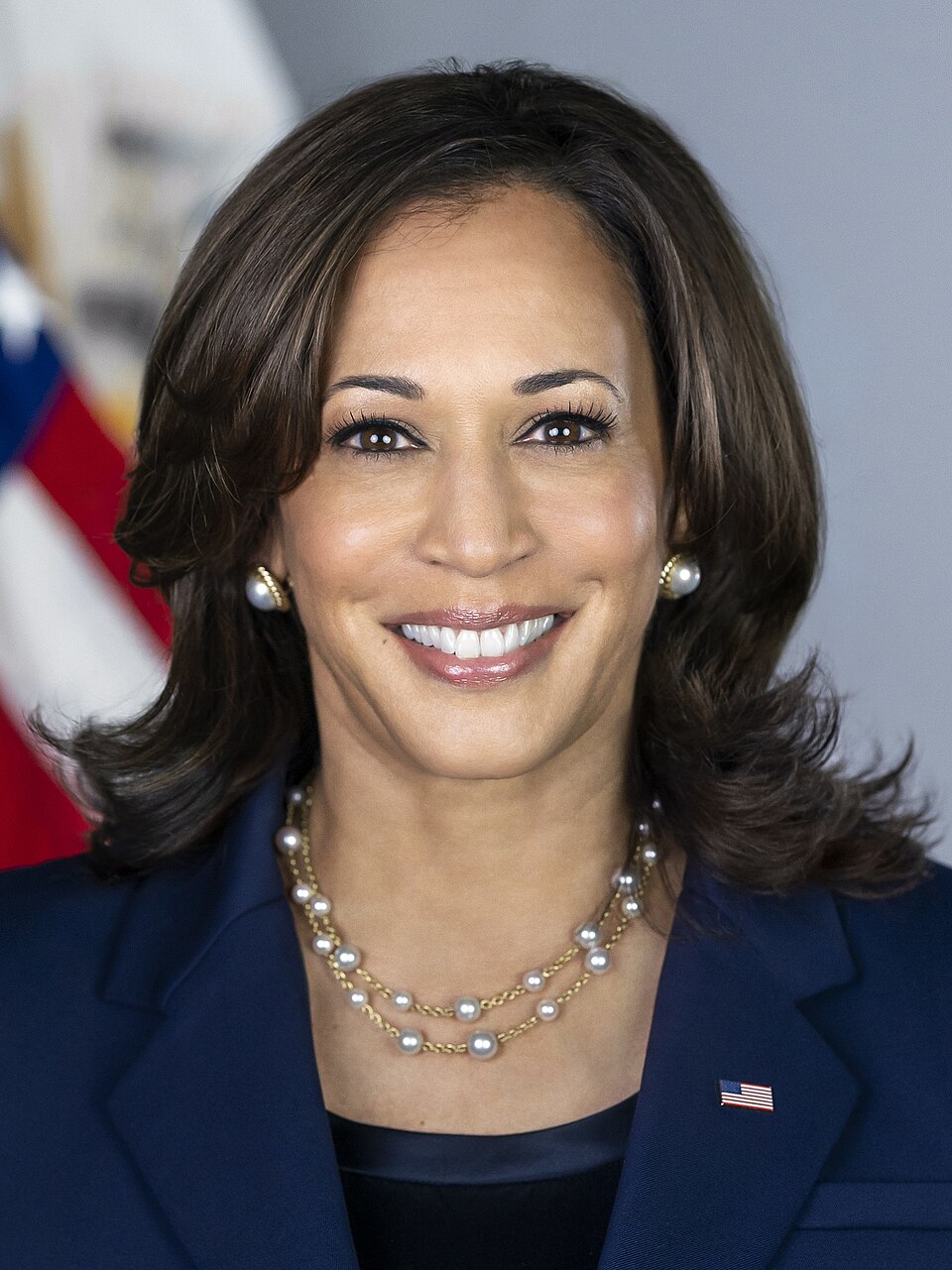
Civil rights leaders and Democratic lawmakers have condemned the Supreme Court's decision as a severe blow to voting protections. Rev. Al Sharpton, president of the National Action Network, called the ruling 'a bullet in the heart of the voting rights movement,' echoing Justice Elena Kagan's dissent in which she wrote that it leaves Section 2 'all but a dead letter.' Former Vice President Kamala Harris said on social media Friday that the decision would make it harder to challenge laws designed to prevent voters from electing representatives at local, state and congressional levels. Some Democrats also expressed concern that the ruling could create pickup opportunities for Republicans in states such as Alabama, Louisiana and Tennessee.
On Iran, Democratic lawmakers have grown increasingly critical of the conflict's duration and cost. Sen. Richard Blumenthal questioned whether the Pentagon's $25 billion price tag accounts for base damage, equipment replacement and costs related to service member injuries during a Senate Armed Services Committee hearing Thursday. Independent Sen. Angus King told CNN he believed a '$50 billion estimate' was more accurate. These concerns come as Congress debates whether Trump must seek authorization before potentially resuming hostilities in the Middle East.
What the Right Is Saying
Republicans have largely applauded the Supreme Court's decision, with state leaders moving quickly to take advantage of new redistricting flexibility. Louisiana Gov. Jeff Landry suspended the state's May 16 House primaries one day after the ruling and is working on revised maps. Alabama Gov. Kay Ivey called a special session starting Monday, stating she wants the state 'prepared should the courts act quickly enough' to implement previously struck-down congressional maps. Tennessee Gov. Bill Lee has also called lawmakers back to Nashville for a special session beginning Tuesday.
On Iran policy, Republicans have largely backed Trump's position that presidential authority over military operations does not require congressional approval. Sen. Marsha Blackburn is pushing the Tennessee legislature to draw new district lines favoring Republicans in all nine House seats, targeting the Memphis-based seat held by Rep. Steve Cohen as a potential Democratic pickup opportunity. Trump told reporters at the White House Friday that seeking congressional authorization has 'never been sought before' and described it as 'totally unconstitutional,' adding that past administrations pursued military action 'numerous, many, many times' without such approval.
What the Numbers Show
The Supreme Court voted 6-3 along ideological lines in the Louisiana redistricting case. The War Powers Resolution establishes a 60-day deadline for presidents to wind down military activity or obtain congressional authorization; an additional 30-day extension is permitted to ensure safe troop withdrawal. The Pentagon has put a $25 billion price tag on the Iran conflict thus far, with some senators estimating costs closer to $50 billion when factoring in damage to bases and equipment replacement.
In Louisiana, Democratic congressional candidate Lindsay Garcia filed suit to block Gov. Landry's executive order suspending primaries. Primary elections are approaching in several states affected by the ruling, creating compressed timelines for any new district maps. States potentially impacted include Arkansas, Missouri, Mississippi and South Carolina, where officials have not ruled out revisiting their maps.
The Bottom Line
The Supreme Court's decision has set off a scramble across southern states to revise congressional districts before upcoming elections, with Republicans seeking political advantage while Democrats warn of diminished voting protections for minority communities. Justice Gorsuch's Fox News Sunday appearance will offer insight into the court's reasoning and potentially signal how future voting rights cases may be handled.
On Iran, the 60-day War Powers deadline has crystallized a constitutional dispute that goes to the heart of executive-congressional power sharing on military action. Trump has rejected the need for congressional authorization despite growing Republican cracks in support, with Sens. Susan Collins and Rand Paul joining Democrats in Thursday's failed vote to curtail presidential war powers authority. The outcome of this standoff could set precedent for how future military engagements are conducted without explicit congressional approval.