
A phrase that millions of American Christians use as a declaration of faith has become the subject of political debate after far-right groups adopted "Christ is King" as coded language to target minority communities online, sparking discussion about religious expression in public discourse.
The slogan has been particularly embraced by figures associated with the Groyper movement and other nationalist circles, according to commentators who have tracked its spread on social media. The phrase has appeared alongside antisemitic tropes, attacks on LGBTQ individuals, and rhetoric targeting immigrants and non-Christian faiths, they say.
What the Right Is Saying
Conservatives and many religious Christians counter that "Christ is King" remains a legitimate expression of personal faith for millions of Americans. They argue that allowing fringe groups to co-opt phrases risks ceding religious language to bad actors who do not represent mainstream Christian belief.
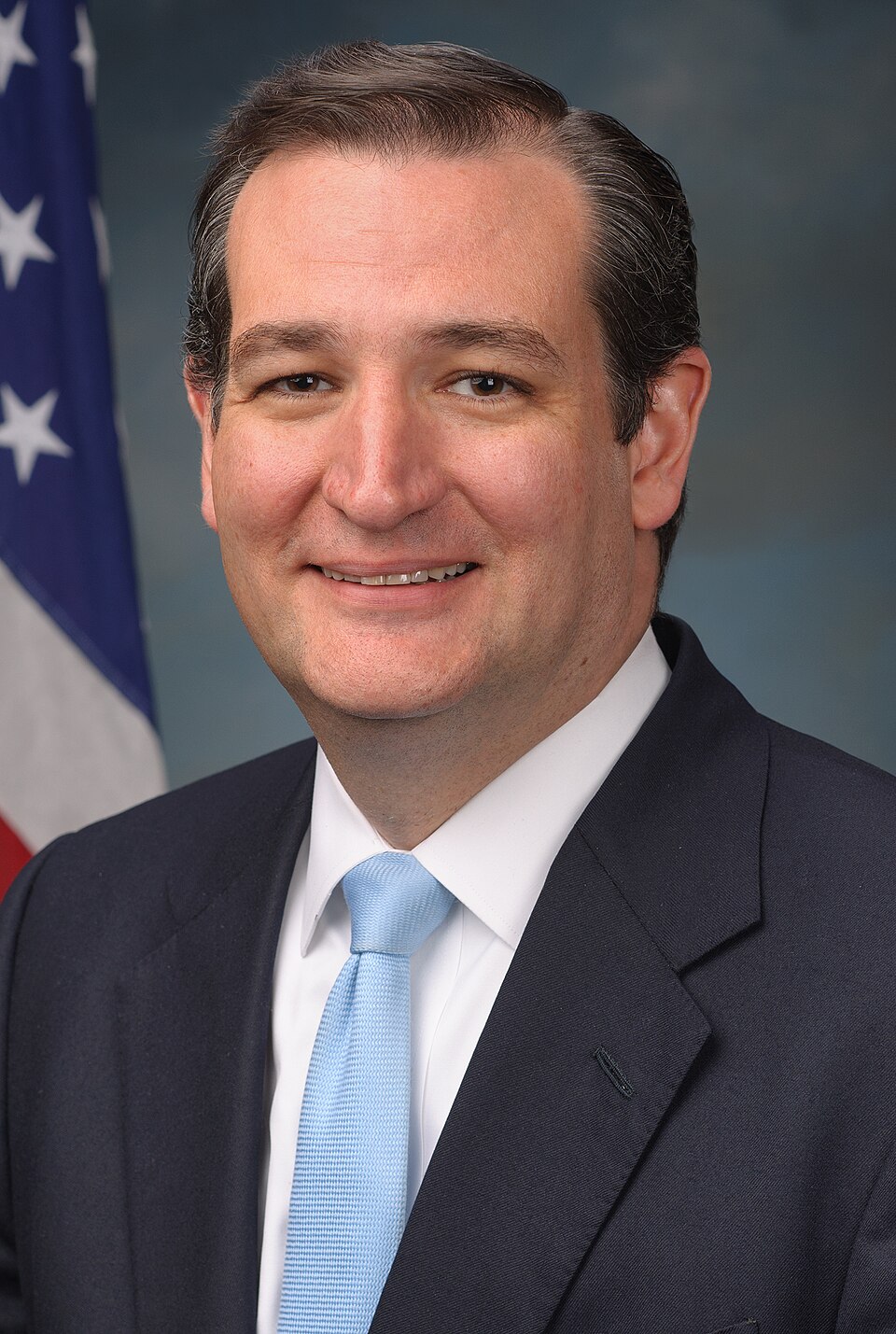
Sen. Ted Cruz, R-Texas, found himself navigating the issue when asked by a Republican congressional candidate to repeat "Christ is King" on camera. Video comments included both supportive responses and hostile ones from accounts that used the moment to post antisemitic material, illustrating how the phrase exists in contested space.
Other conservatives maintain that Christian identity has always been part of American political life and that attempts to stigmatize religious language amount to secular overreach. They argue Christians should not be blamed for how others misuse their faith’s terminology.
What the Left Is Saying
Progressives and some faith leaders argue that Christian nationalists have weaponized religious language for exclusionary purposes. They point to online comments responding to politicians reluctant to use the phrase as evidence of its association with antisemitic and supremacist movements.
Harvard-educated Marine veteran Joslin Joseph wrote in The Hill that "far-right individuals like those belonging to the Groyper movement have transitioned from 'America First' to 'Christ is King' as a way to attack people they flat out hate." He proposed responding with "Jesus Loves Everyone," arguing it represents Christ’s actual teachings of loving one’s neighbor.
Some Democrats have also sought to reclaim Christian identity from nationalist framing. James Talarico, who won the Texas Democratic Senate primary, has positioned himself as a progressive Christian voice rejecting what he calls the conflation of faith with political nationalism.
What the Numbers Show
The Pew Research Center found in 2024 that 62% of Americans describe themselves as Christian, down from 78% in 2007. Among those who identify as Christian, surveys consistently show majority support for some form of political engagement, though opinions on specific policies vary widely.
Social media tracking firm Graphika documented in a 2025 report the spread of "Christ is King" across nationalist communities online, finding increased usage alongside other coded language associated with white supremacist movements. The phrase’s adoption by mainstream Republican figures remains limited but has occurred at events like state party conventions.
Specific data on how often the slogan appears in hostile contexts versus genuine religious expression is not publicly available, as social media companies do not systematically release such statistics.
The Bottom Line
The debate over "Christ is King" reflects broader tensions between religious liberty advocates and those who warn that faith-based political movements can enable exclusionary rhetoric. Both sides agree the phrase carries sincere meaning for many believers while acknowledging it has been adopted by groups promoting hate.
What remains unclear is whether counter-messaging like "Jesus Loves Everyone" can effectively separate legitimate Christian expression from its weaponized use, or whether such efforts will gain traction among voters in upcoming elections.