
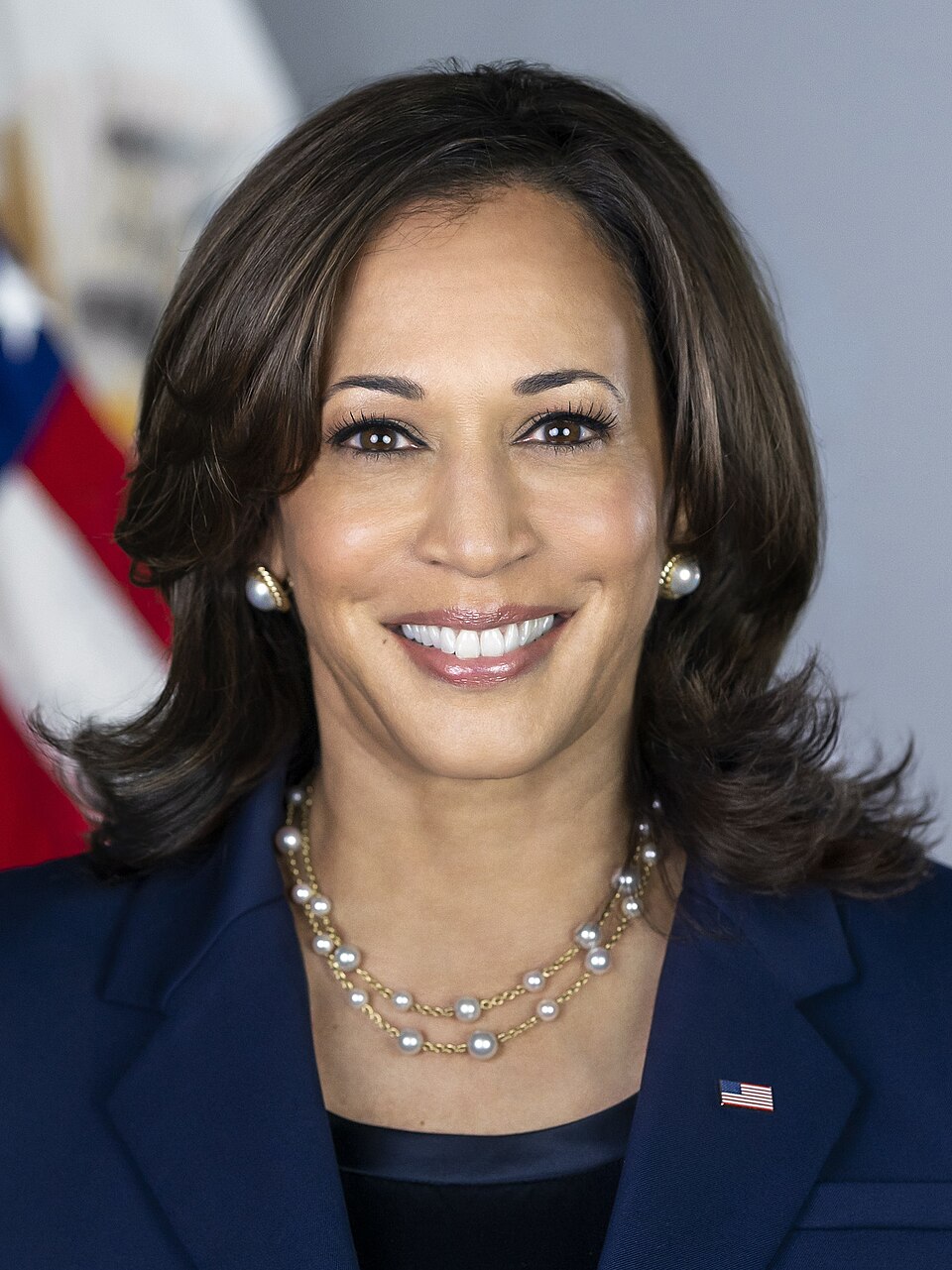
Former Vice President Kamala Harris outlined a series of potential electoral and judicial reforms during remarks to Emerge America, a Democratic political organization focused on recruiting and training progressive candidates for office. The speech included discussion of the Electoral College, Supreme Court structure, multi-member districts, ethics rules for federal judges, and statehood for Washington D.C. and Puerto Rico.
Speaking to supporters at the event, Harris described the moment as an opportunity for a 'no-bad-idea brainstorm' on policy changes she believes Democrats should pursue. The remarks come as some within the party have advocated for structural reforms to address what they characterize as systemic barriers in American democracy.
What the Right Is Saying
Republican critics characterize Harris's proposals as efforts to fundamentally alter America's constitutional structure through partisan means. Conservative analysts argue that eliminating the Electoral College would effectively render presidential elections as determined solely by voters in densely populated urban areas.
"The Electoral College exists precisely to ensure that states with smaller populations have a voice in selecting the president," said Senate Minority Leader John Thune in a statement responding to Harris's remarks. "Abolishing it would disenfranchise tens of millions of Americans who live outside coastal metropolitan areas."
On judicial reforms, conservatives express concern that court expansion or additional ethics rules represent attempts to undermine judicial independence. The Heritage Foundation's Vice President for Governance Studies argued that 'packing the courts' would damage the separation of powers established by the Founders.
Regarding D.C. and Puerto Rico statehood, Republicans note that both territories have voted Democratic in recent referendums and suggest the proposals would add four reliably Democratic senators to the chamber. "This isn't about self-determination," said House Speaker Mike Johnson's office in a statement. "It's about manufacturing permanent majority."
What the Left Is Saying
Progressive advocates argue that many of the reforms Harris discussed would strengthen democratic participation and address longstanding inequities in the American political system. Supporters say the Electoral College, established in 1787, disproportionately amplifies voters in smaller states and does not reflect modern demographic realities.
Democratic strategists note that Supreme Court ethics rules remain inconsistent with those governing lower federal courts. The Supreme Court adopted a formal Code of Conduct in late 2023, but critics argue more robust enforcement mechanisms are needed. On statehood, advocates point to the 3.2 million residents of Puerto Rico and 700,000 residents of D.C. who pay federal taxes without full congressional representation.
Senator Chris Murphy of Connecticut said at a separate forum that structural reforms reflect 'the will of the American people when you poll them honestly.' Multi-member districts have gained support from some reform groups who argue they reduce gerrymandering by making House seats more competitive.
"These are conversations that Americans across the political spectrum are having," said a spokesperson for End Citizens United, a group that supports electoral reforms. "The question isn't whether to have these discussions, but how to implement changes that protect every American's vote."
What the Numbers Show
Polling on electoral reform varies significantly by question phrasing. A 2023 Gallup survey found 53% of Americans support abolishing the Electoral College and using only the national popular vote to elect presidents, though other polls show different results depending on how the question is framed.
Puerto Rico's population of approximately 3.2 million would make it larger than 21 states in congressional representation. D.C. has fewer residents than Wyoming but more than Vermont. Both territories have non-voting delegates in Congress.
The Supreme Court Code of Conduct adopted in November 2023 includes five canons addressing recusal, financial disclosure, and extrajudicial activities. The code does not include an enforcement mechanism beyond voluntary compliance and public disclosure requirements.
Multi-member districts are currently used in some form by seven states for at least one chamber of their legislatures, according to the National Conference of State Legislatures. Academic research on such districts shows mixed results regarding competitiveness and representation.
The Bottom Line
Harris's remarks reflect ongoing debates within the Democratic Party about how to address structural concerns with American democracy. These proposals have been discussed in progressive circles for years but face significant procedural and constitutional hurdles.
Eliminating the Electoral College would require a constitutional amendment, which needs two-thirds support in both chambers of Congress and ratification by three-quarters of states. Court expansion could be accomplished through legislation but would likely face legal challenges. Statehood for D.C. faces unique constitutional questions regarding the 23rd Amendment.
Republican opposition remains unified against these proposals, making passage unlikely in the current political environment regardless of which party controls Congress. The discussion illustrates the broader ideological divide over whether America's founding institutions require reform or protection.
What to watch: Whether these ideas gain traction within the Democratic Party platform ahead of future elections, and how Republican-led states might respond with their own structural proposals.