
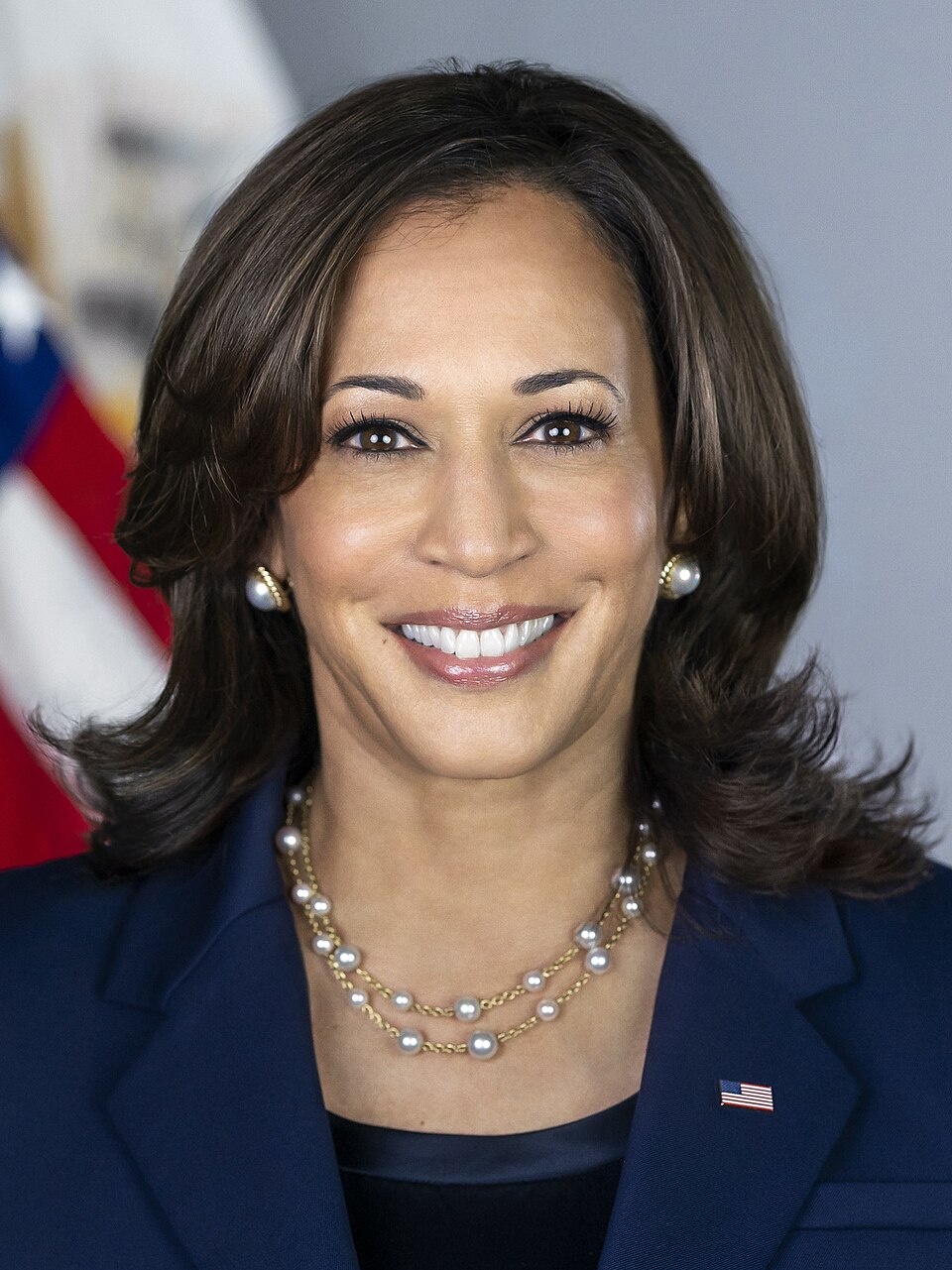
The Democratic National Committee released its long-awaited 192-page post-election analysis of the 2024 presidential race on Thursday, a document that contains candid admissions about party messaging failures and growing voter disconnect. The report, delayed for more than a year following President Donald Trump's victory over former Vice President Kamala Harris, offers an internal critique of campaign strategy and candidate positioning.
The autopsy document states: 'The sad truth is Democrats have lost ground at every level from inconsistent messaging and improper planning, even as the policies the Party advances continue to earn voter support at the ballot box.' The report repeatedly suggests party strategists relied too heavily on anti-Trump rhetoric without providing voters a compelling affirmative case for Harris.
One section of the report reads: 'The national campaign did not effectively drive Trump's negatives, and the White House did not effectively support Vice President Harris over three and half years to improve her standing before the candidate switch.' The document characterizes the assumption that Trump's negatives were already baked in as 'a major failure of analysis and reality.'
What the Left Is Saying
Democratic National Committee Chairman Ken Martin addressed the delayed release, telling CNN: 'After last November's massive Democratic wins, I didn't want to create a distraction, but by not putting the report out, I ended up creating an even bigger distraction.' The comment appeared to be a misstatement, as Democrats did not achieve widespread victories in November 2024.
The report itself attempts to chart a path forward. One passage praises candidates who focused 'less on abstract issues and identity politics' and more on public safety, affordability, housing, and the economy. Progressive groups have echoed this framing, with some arguing the party needs to focus on pocketbook issues that resonate across class lines.
Former Democratic strategists quoted in political coverage have argued the report's findings validate what many had suspected: that the party over-relied on opposition research rather than positive agenda-setting. Some progressive commentators have suggested the analysis underscores the need for deeper institutional reforms and earlier candidate development processes.
What the Right Is Saying
Republican National Committee officials have pointed to the Democratic autopsy as validation of their own campaign strategies. Conservative commentators noted that the report's admissions about Harris's struggles with male voters align with what Republican operatives observed during the election cycle.
The report acknowledges that down-ballot Democrats consistently outperformed Harris with men, citing North Carolina Democrat Josh Stein winning 51% of male voters while Harris managed just 40%. Republicans have argued this demonstrates that candidate quality and specific policy messaging can overcome partisan lean.
Conservative analysts noted the autopsy's criticism of 'identity politics' as significant. House Republican Conference Chair Elise Stefanik said in a statement: 'This is exactly what we predicted — when Democrats focus on radical cultural agendas instead of kitchen-table issues, voters reject them.' The Trump campaign's 'Kamala is for they/them' advertising received specific mention in the Democratic report as highly effective.
What the Numbers Show
The 192-page autopsy covers the November 2024 election cycle where President Trump won approximately 312 electoral votes compared to Harris's 226. Harris secured roughly 48% of the popular vote to Trump's 51%, with minor variations depending on final county counts still being certified.
The report specifically cites North Carolina as an example: Josh Stein, the Democratic gubernatorial nominee, received 51% support among male voters while Harris received approximately 40%. This 11-point gender gap between candidates in the same state is cited as evidence of broader challenges with male voter outreach.
Exit polling from November showed Trump making significant gains with multiple demographic groups historically favorable to Democrats, including improvements among Latino men and voters under 30 compared to his 2020 performance. The report notes these shifts contributed to Democratic losses across several swing states.
The document also includes internal annotations marked 'No evidence provided,' 'Analysis not supported,' and 'Contradicts public reporting' — suggesting some conclusions within the party analysis faced internal skepticism about their analytical foundations.
The Bottom Line
The DNC's post-election analysis represents an unusually candid internal admission from a major political party about its electoral shortcomings. The document acknowledges failures in candidate preparation, message discipline, and demographic outreach that contributed to November's results.
Chairman Martin has indicated the findings will inform the party's strategic planning ahead of the 2026 midterm elections. With redistricting proceedings underway and population migration patterns continuing to favor historically Republican-leaning states, the report warns Democrats face an 'accelerating' demographic headwind.
The autopsy stops short of prescribing specific policy reversals or wholesale changes to the Democratic platform, instead focusing on communication strategy and candidate development timelines. Whether party leadership implements the report's recommendations in time for upcoming elections remains uncertain.