
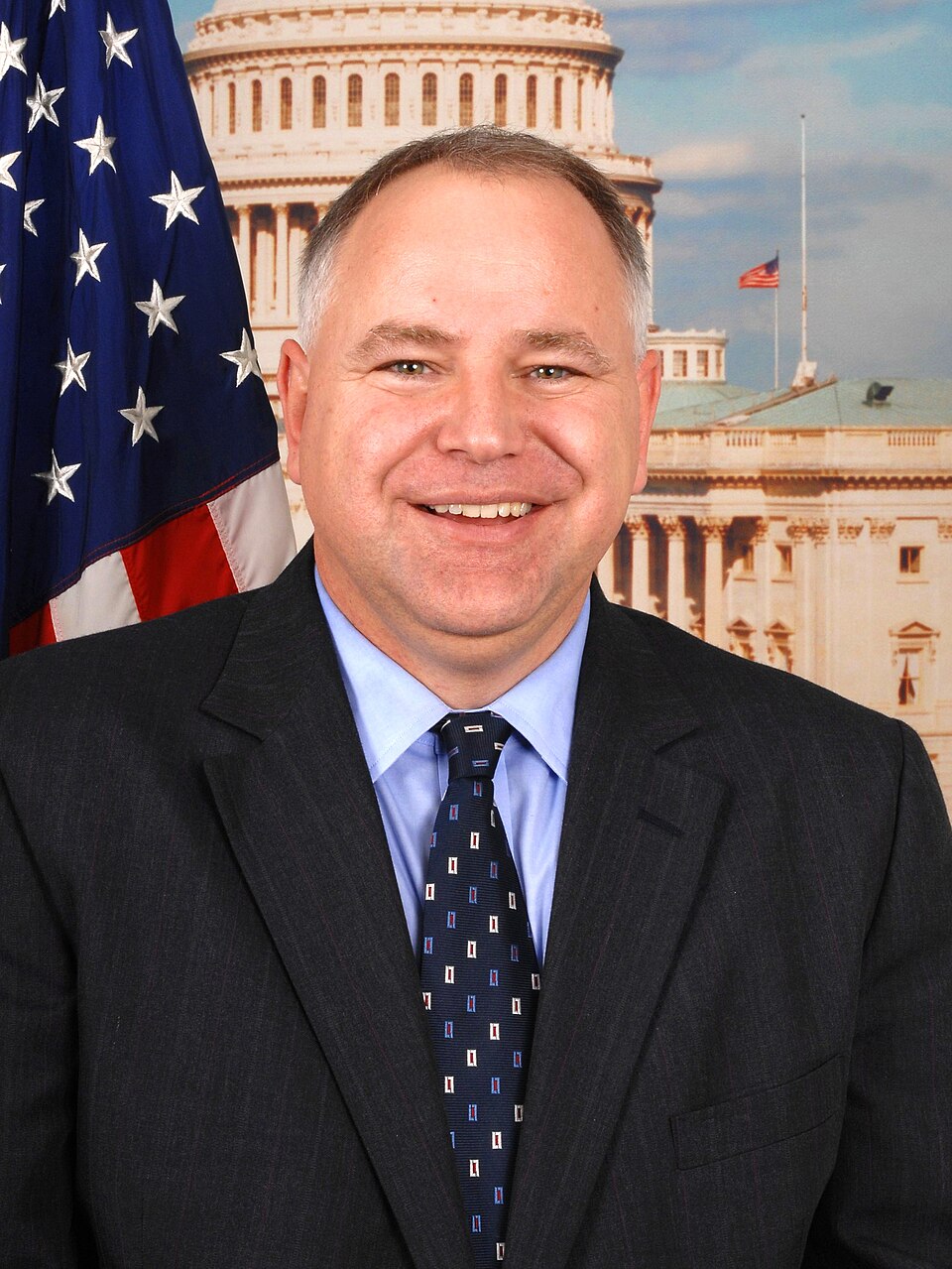
Senate Republicans are unveiling a 12-figure anti-fraud legislative package that includes the "WALZ Act," legislation named after Minnesota Gov. Tim Walz, arguing his administration's handling of massive welfare fraud makes him a symbol of government waste they seek to eliminate.
The Welfare Abuse and Laundering Zillions (WALZ) Act from Sen. Roger Marshall, R-Kan., is at the center of the broader anti-fraud package targeting Minnesota-style violations, COVID fraud, foreign remittance abuse and repeat offenders, projected to save taxpayers roughly $240 billion. The legislation was introduced as journalists testified before the Homeland Security Committee about videotaped discoveries in the "Feeding Our Futures" scandal in Minnesota.
What the Left Is Saying
Fox News Digital reached out to Walz for comment on lawmakers using his name, but a Democratic response was not available at time of publication. Critics of the legislation have previously argued that framing anti-fraud measures around specific governors risks politicizing oversight efforts and could potentially delay aid to legitimate recipients. Supporters of welfare programs contend that fraud represents a small fraction of total spending and that aggressive crackdowns often disproportionately affect vulnerable populations who depend on assistance.
What the Right Is Saying
Sen. Joni Ernst, R-Iowa, is leading the anti-fraud package. "While hardworking Americans are struggling to make ends meet, fraudsters are getting away with ripping off $1.4 billion of taxpayer money every single day," Ernst told Fox News Digital. "Government grift and graft is endless, but the public's patience isn't and neither is mine."
Sen. Bernie Moreno, R-Ohio, is sponsoring legislation requiring people sending wire transfers abroad to certify they are not on public assistance. "For decades, Washington's failed welfare program rewarded dependency while enabling fraudsters and criminals to exploit the system," Moreno said in a statement. "If an individual has enough cash to send money overseas, they have no business taking welfare benefits from hardworking Americans."
Sen. Rand Paul, R-Ky., is proposing the "Bonuses for Cost-Cutters Act" that would allow federal employees who uncover fraud or waste to receive monetary rewards from inspectors general.
What the Numbers Show
The WALZ Act requires that if a state program receiving federal funding sees a six-month increase in disbursements exceeding 10 percent, the HHS inspector general must investigate. Federal payments under the legislation would be made as reimbursements only after a service is proven to have been provided. The Returning Unspent COVID Funds Act would claw back more than $65 billion in federally-disbursed COVID funds distributed during the pandemic, now six years past its height. Sen. Tim Sheehy's No Tax Dollars for Terrorists Act would instruct the State Department to implement processes discouraging NGOs and foreign nations from supporting the Taliban with U.S.-provided assistance.
Senate Majority Leader John Thune, R-S.D., could file cloture on the legislative package as early as late this week, according to a source familiar with Senate procedure. Co-sponsors include GOP Sens. David McCormick of Pennsylvania and Charles Grassley of Iowa.
The Bottom Line
The legislation represents one of the most comprehensive Republican efforts to overhaul federal anti-fraud mechanisms in recent years. Whether the package advances will depend on whether Republicans can maintain unity and navigate procedural hurdles in the Senate, where they hold a narrow majority. Watch for Democratic response as the package moves forward, particularly regarding concerns about program access for legitimate beneficiaries.