
Acting Director of National Intelligence Bill Pulte announced a new round of significant cuts to the Office of the Director of National Intelligence on Tuesday, just hours before the Senate was scheduled to vote on his replacement, Jay Clayton. The announcement came via X, where Pulte described the reductions as a "5th and Near Final Round of TERMINATIONS" representing an approximately 30% staff reduction.
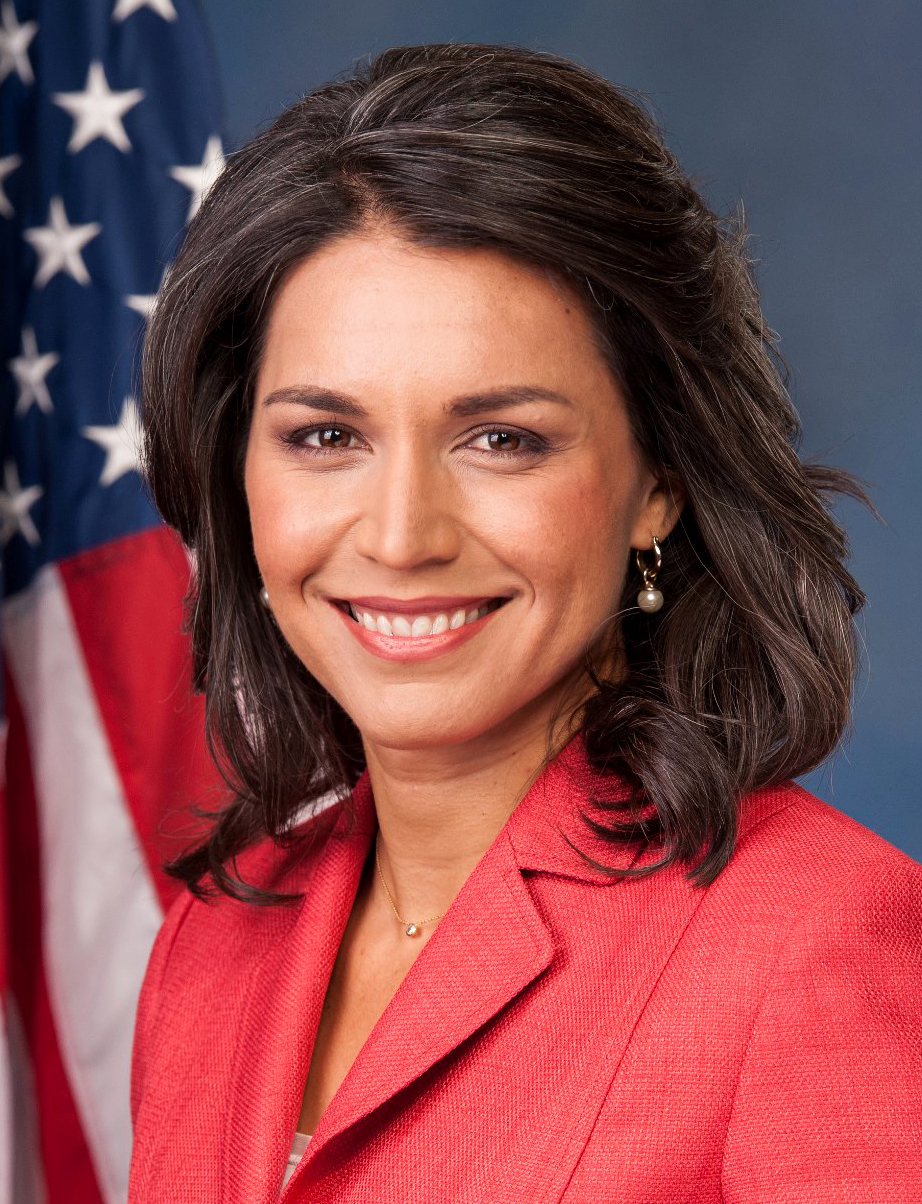
Pulte, who entered ODNI with a mandate from President Donald Trump to execute the immediate downsizing of the office, has made reducing the agency's size a central focus of his tenure. His arrival followed former DNI Tulsi Gabbard's announcement that she would leave the agency to assist her husband with a cancer diagnosis. Before Pulte took over, Gabbard had already reduced staff by 40%, bringing ODNI's workforce to fewer than 1,400 employees.
What the Left Is Saying
Senate Minority Whip Dick Durbin (D-IL) expressed concern about the pace of reductions following Clayton's confirmation hearing. "We went from an agency that provided essential coordination across our intelligence community to something being hollowed out in real time," Durbin said in a floor speech. "The question isn't whether these agencies need oversight — it's whether ODNI will have the capacity to provide it."
Senate Intelligence Committee member Sen. Mark Warner (D-VA) raised similar concerns during Clayton's confirmation process. "Before Pulte arrived, we had an ODNI that could actually function as a check on FBI and CIA operations," Warner told reporters. "Now we're being asked to confirm someone to lead what may become a shell of its former self."
Democratic critics have also pointed to the speed of personnel changes, with some suggesting the reductions could compromise national security coordination. A Senate Democratic aide, speaking on background, noted that ODNI serves as the primary mechanism for coordinating intelligence sharing across 18 different agencies.
What the Right Is Saying
Senate Majority Leader John Thune (R-SD) defended the administration during Tuesday's floor remarks, arguing Democrats had inconsistently criticized both Pulte and Clayton. "Now Democrats have the opportunity to replace that acting official," Thune said in a statement. "But they're in no apparent rush to confirm a permanent director of national intelligence. They've opposed his nomination in committee. They've delayed things here on the floor."
Sen. Tom Cotton (R-AR), who has worked closely with Pulte and supported Clayton's nomination, argued that ODNI had grown into an unnecessary bureaucratic layer. "The intelligence community must protect Americans, not maintain a bloated oversight apparatus," Cotton wrote on social media. "These reforms ensure our spy agencies can act decisively while maintaining appropriate constitutional boundaries."
CIA Director John Ratcliffe, who collaborated with Pulte on the restructuring effort, praised Clayton's nomination. "Jay understands that intelligence coordination doesn't require 1,400 headquarters staff micromanaging operational agencies," Ratcliffe said in a statement supporting the nominee.
What the Numbers Show
The current ODNI staffing level stands at fewer than 1,400 employees following Gabbard's and Pulte's combined cuts, down from higher levels before the restructuring began. By comparison, the FBI employs approximately 38,000 people, while the CIA has an estimated workforce of around 20,000. This means ODNI staff now represent roughly 2% of the combined personnel at these two agencies.
Pulte's announced cuts represent a fifth round of reductions during his tenure. The approximately 30% reduction in Tuesday's announcement follows earlier rounds that collectively reduced the agency significantly beyond Gabbard's initial 40% cut. ODNI did not immediately respond to requests for clarification on how many individual terminations were involved in Tuesday's announcement or whether affected staff returned to their home agencies.
The Senate confirmation vote for Clayton was scheduled for 6:30 pm ET on Tuesday, which would end Pulte's tenure as acting director by day's end. Clayton previously served as SEC chairman and has no prior intelligence community experience, a point raised during his committee confirmation hearing.
The Bottom Line
Pulte's departure marks the end of an aggressive downsizing effort that saw ODNI's workforce reduced to a fraction of its previous size in under two years. His successor will face questions about whether the agency retains sufficient capacity to fulfill its coordination and oversight mandate.
The Clayton confirmation vote represents one of the final steps in the administration's restructuring of the intelligence community leadership. Supporters argue the changes eliminate bureaucratic redundancy, while critics warn the reductions may impair the government's ability to coordinate intelligence across agencies. The outcome of Tuesday's Senate vote will determine whether this approach continues under new leadership.