
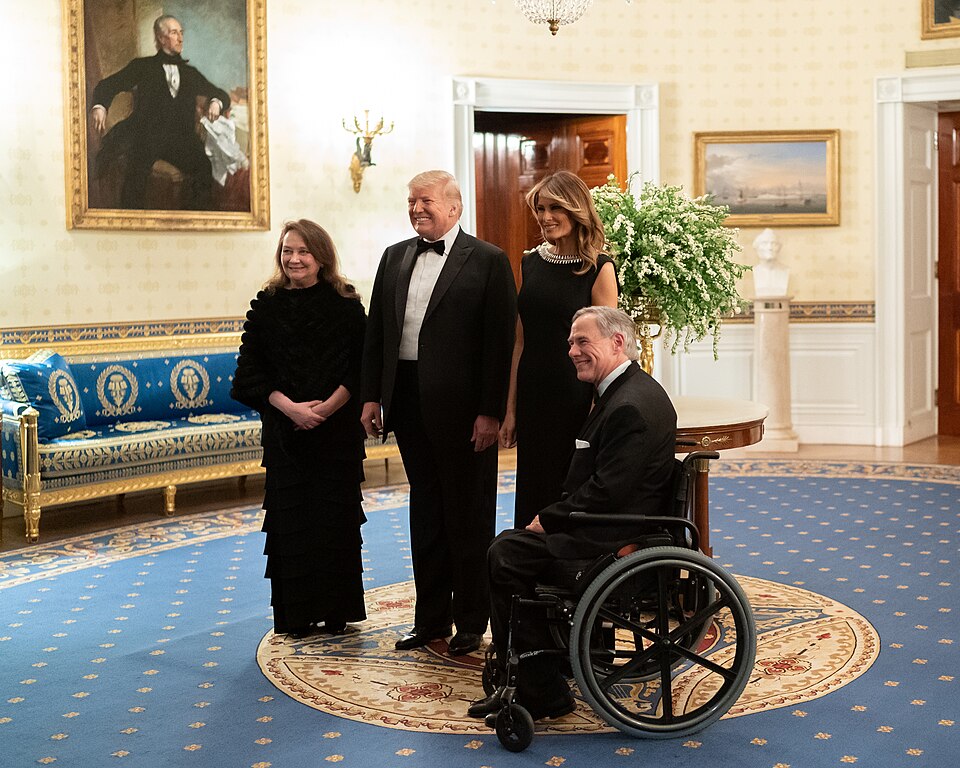
Texas Gov. Greg Abbott told a federal judge Monday that Minnesota's lawsuit seeking the extradition of Immigration and Customs Enforcement agent Christian Castro is legally insufficient and should be dismissed.
Minnesota authorities have charged Castro with shooting a Venezuelan man earlier this year during an operation called 'Operation Metro Surge.' The state has pushed through court proceedings to compel Texas to hand over the agent, arguing it has jurisdiction in the case.
Abbott's legal team filed arguments asserting that Texas is not obligated to surrender the federal employee and that Minnesota's extradition request lacks proper foundation under existing law governing the transfer of individuals between jurisdictions.
What the Left Is Saying
Minnesota Attorney General Keith Ellison has led the state's pursuit of charges against Castro, arguing that state authorities have jurisdiction over violent crimes committed within their borders regardless of the defendant's employer. The state contends it has a right to pursue criminal charges when a shooting occurs on Minnesota soil. Democratic officials in the state have supported efforts to hold federal agents accountable under state law, citing the principle that no individual is above the law.
What the Right Is Saying
Abbott and Texas Republicans have defended the extradition resistance by arguing that federal immigration agents carrying out lawful operations should not be subject to state criminal prosecutions. The governor's office has maintained that extraditing a federal employee for actions taken during official duties could undermine federal enforcement authority and set a problematic precedent for future immigration-related operations.
What the Numbers Show
Minnesota filed formal charges against Castro earlier this year, according to court records cited in the filing. No trial date or preliminary hearing date had been scheduled as of Monday's filings. The case presents an unresolved legal question regarding state versus federal jurisdiction in criminal prosecutions of federal employees.
The Bottom Line
The judge's ruling on Abbott's motion to dismiss will determine whether Minnesota can proceed with its extradition request. Legal experts are watching the case for precedent regarding when states can pursue criminal charges against federal agents. Both sides have clear constitutional and jurisdictional arguments, and the outcome could affect how immigration enforcement cases involving state-federal jurisdiction are handled going forward.