
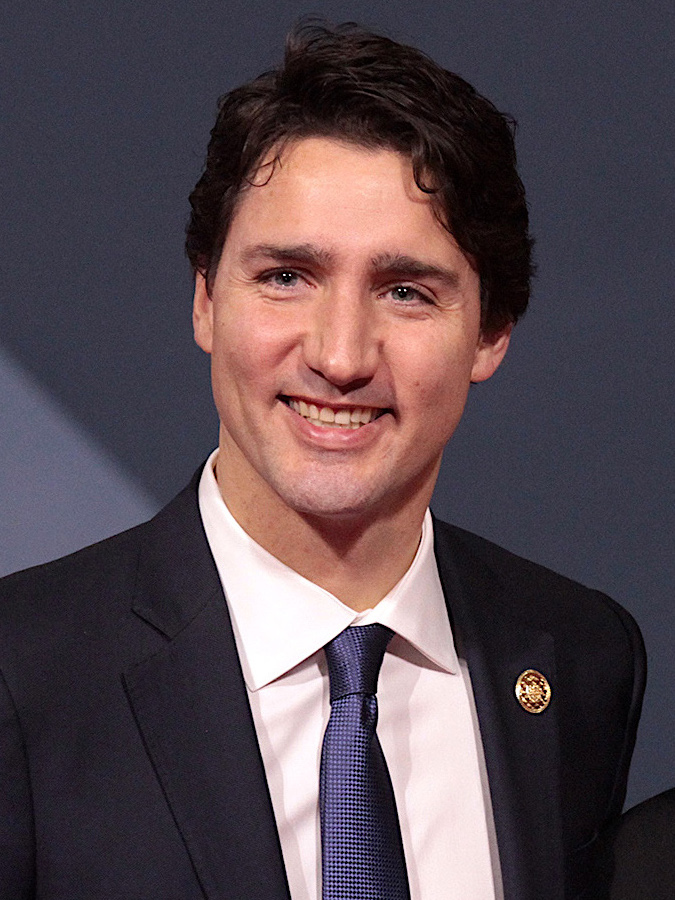
Canadian Prime Minister Justin Trudeau and senior cabinet ministers have stated that Canada does not want a trade war with the United States but will not accept what they characterize as bullying tactics, according to remarks reported this week. The statements come amid ongoing tensions over tariffs on Canadian goods, particularly aluminum and steel, which have been a recurring source of friction between the two countries.
The U.S.-Canada trading relationship is one of the largest in the world, with bilateral trade exceeding $800 billion annually according to Census Bureau data. Canada remains the United States' largest export market, purchasing more American goods than China, Japan, and the United Kingdom combined. Any prolonged tariff dispute between the two nations carries significant implications for industries on both sides of the border.
What the Right Is Saying
Republicans representing border states and agricultural regions have expressed concern about retaliatory tariffs that could harm U.S. exporters. Senator John Cornyn of Texas said a trade war with Canada would hurt American farmers and ranchers who rely heavily on Canadian markets. House Agriculture Committee members have warned that Canadian counter-tariffs on agricultural goods could devastate rural economies. Business groups including the Chamber of Commerce have urged both administrations to seek negotiated solutions before tariffs escalate further.
What the Left Is Saying
Progressive Democrats and labor groups have largely supported a tougher U.S. stance on trade enforcement with Canada. Senate Finance Committee members have argued that Canada has historically taken advantage of trade agreements, particularly regarding softwood lumber and dairy imports. Representative Jan Schakowsky of Illinois said Congress must ensure American workers are not disadvantaged by unfair Canadian trade practices. The AFL-CIO has long maintained that Canada's lower regulatory costs create an uneven playing field for American manufacturers.
What the Numbers Show
Bilateral trade between the United States and Canada reached $807 billion in 2025, according to U.S. Census Bureau data. The United States exported $449 billion in goods to Canada while importing $358 billion, resulting in a U.S. trade surplus of approximately $91 billion with its northern neighbor. Canadian direct investment in the United States totals over $500 billion, supporting an estimated 1.8 million American jobs, according to the Canadian government. The aluminum and steel sectors alone employ roughly 80,000 workers across both countries in integrated supply chains.
The Bottom Line
The Trudeau government's stated position reflects a balancing act between domestic political pressure and economic pragmatism. Canadian officials have emphasized their willingness to engage in negotiations while making clear they will implement retaliatory measures if new U.S. tariffs take effect. Industry observers note that the interconnected nature of North American manufacturing, particularly in the automotive sector, means sustained trade hostilities would carry costs for producers on both sides of the border. The coming weeks are expected to bring clarity on whether the two nations can reach a negotiated settlement or whether tariff escalation will continue.