
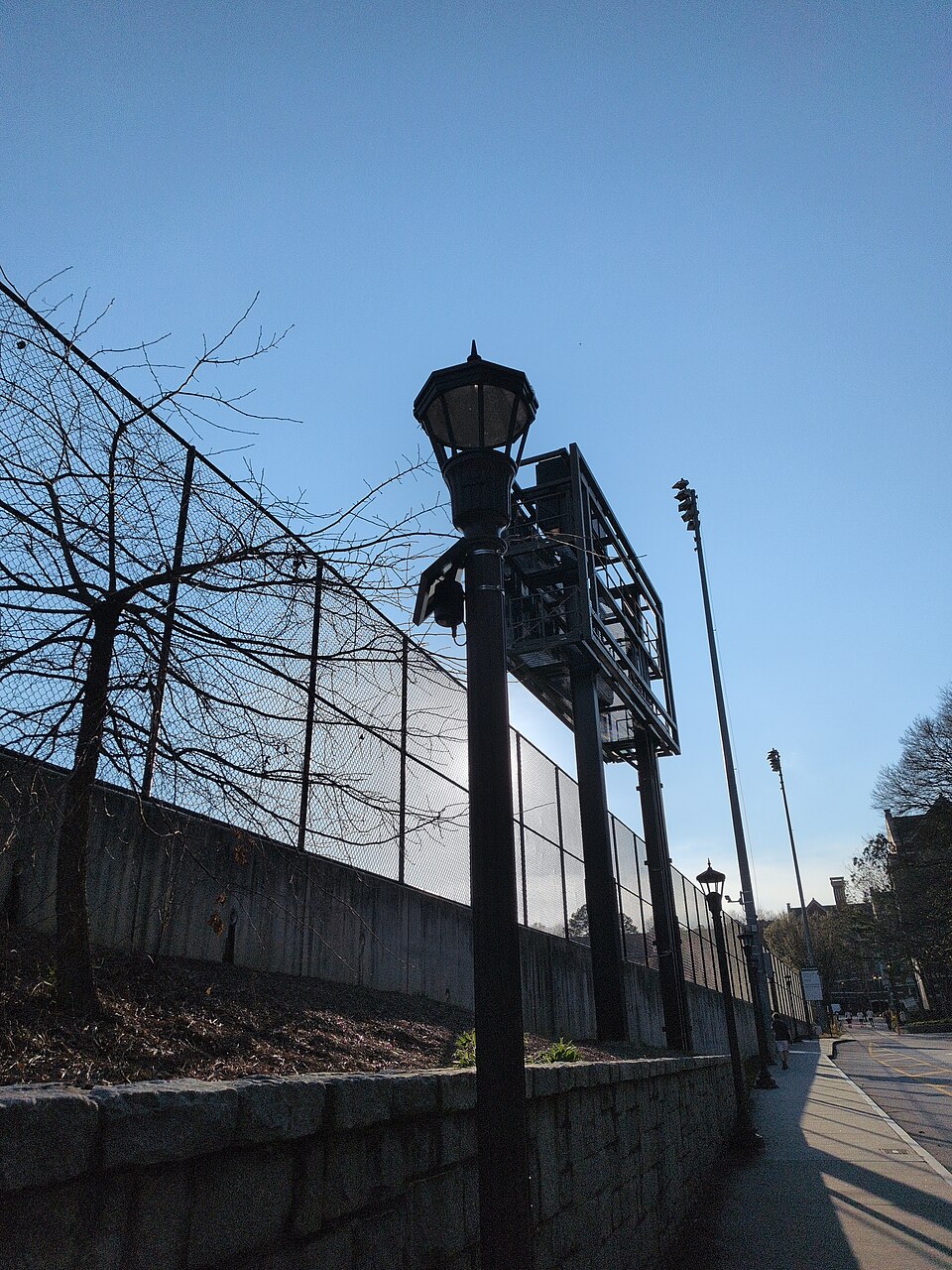
Flock Safety, a company that manufactures automatic license plate readers and AI-powered surveillance systems, is facing mounting resistance from privacy advocates, civil liberties groups, and local governments as its technology proliferates across the United States. The company's cameras, which capture and process vehicle data in real time, have been installed in more than 4,000 municipalities according to company statements.
The backlash comes as communities grapple with questions about data retention, government surveillance authority, and the expanding role of private companies in monitoring public spaces. Several cities have moved to restrict or ban the technology, while others are examining regulatory frameworks.
What the Right Is Saying
Conservative lawmakers and law enforcement groups counter that Flock's technology has proven instrumental in solving crimes including vehicle theft, amber alerts, and violent offenses. The National Sheriffs' Association argues that automated license plate readers serve as a force multiplier for departments facing budget constraints.
Representative Jim Jordan of Ohio, chairman of the House Judiciary Committee, has defended the technology, stating that it helps law enforcement protect communities without impinging on constitutional rights. 'Catching criminals who use vehicles to flee crime scenes or commit offenses is exactly what our laws allow,' Jordan said during a committee hearing.
Flock Safety officials emphasize that their systems only capture publicly visible license plates and do not utilize facial recognition technology. The company has implemented policies limiting data retention to 30 days for customers in states without specific retention requirements, according to company statements.
What the Left Is Saying
Progressive lawmakers and privacy advocates argue that Flock's systems represent a significant expansion of mass surveillance infrastructure with insufficient oversight. Senator Elizabeth Warren of Massachusetts has called for comprehensive federal regulation of automated license plate readers, stating that Americans should not have their movements tracked and stored without warrants or probable cause.
The ACLU and Electronic Frontier Foundation contend that the technology enables law enforcement to create detailed records of residents' daily routines—where they worship, attend medical appointments, or visit reproductive health clinics. These groups argue that data retention policies, often spanning years, pose serious Fourth Amendment concerns. 'This is surveillance infrastructure being built without public consent,' an ACLU spokesperson said in a statement.
Community organizers in several states have pushed for local ordinances requiring police departments to obtain warrants before accessing Flock data. In Portland, Oregon, activists successfully advocated for restrictions on how long captured license plate data can be retained.
What the Numbers Show
According to Flock Safety's most recent public disclosures, the company's cameras process approximately 2.5 billion vehicle detections annually across its network of more than 4,000 customer agencies. The company has raised over $400 million in venture capital funding and was valued at approximately $3.5 billion as of its last funding round.
A 2025 report from the Brennan Center for Justice found that automatic license plate reader data is now admissible in court proceedings across all 50 states. However, the same report noted significant variation in retention policies—from indefinite storage by some agencies to 30-day limits imposed by others.
Survey data from the Pew Research Center indicates that 65% of Americans believe it is unacceptable for law enforcement to track license plates without a warrant, while 31% consider such tracking acceptable if used to solve crimes. Support varies significantly by political affiliation, with Republicans more likely than Democrats to view surveillance tools favorably.
The Bottom Line
The debate over Flock Safety's expanding network reflects broader tensions between technological capability and privacy rights in the United States. Several state legislatures are considering bills that would require warrants for accessing license plate reader data and impose stricter limits on data retention periods.
Legal challenges are also working through federal courts, with some arguing that mass collection of license plate data constitutes unconstitutional search under the Fourth Amendment. A ruling from the Sixth Circuit Court of Appeals is expected to provide guidance on whether reasonable expectations of privacy extend to vehicles traveling on public roads.
Communities considering Flock contracts will face continued pressure from both sides—law enforcement emphasizing crime-solving capabilities and privacy advocates warning of surveillance creep. The outcome of federal litigation and state legislation could reshape how automated license plate readers operate across the country.