
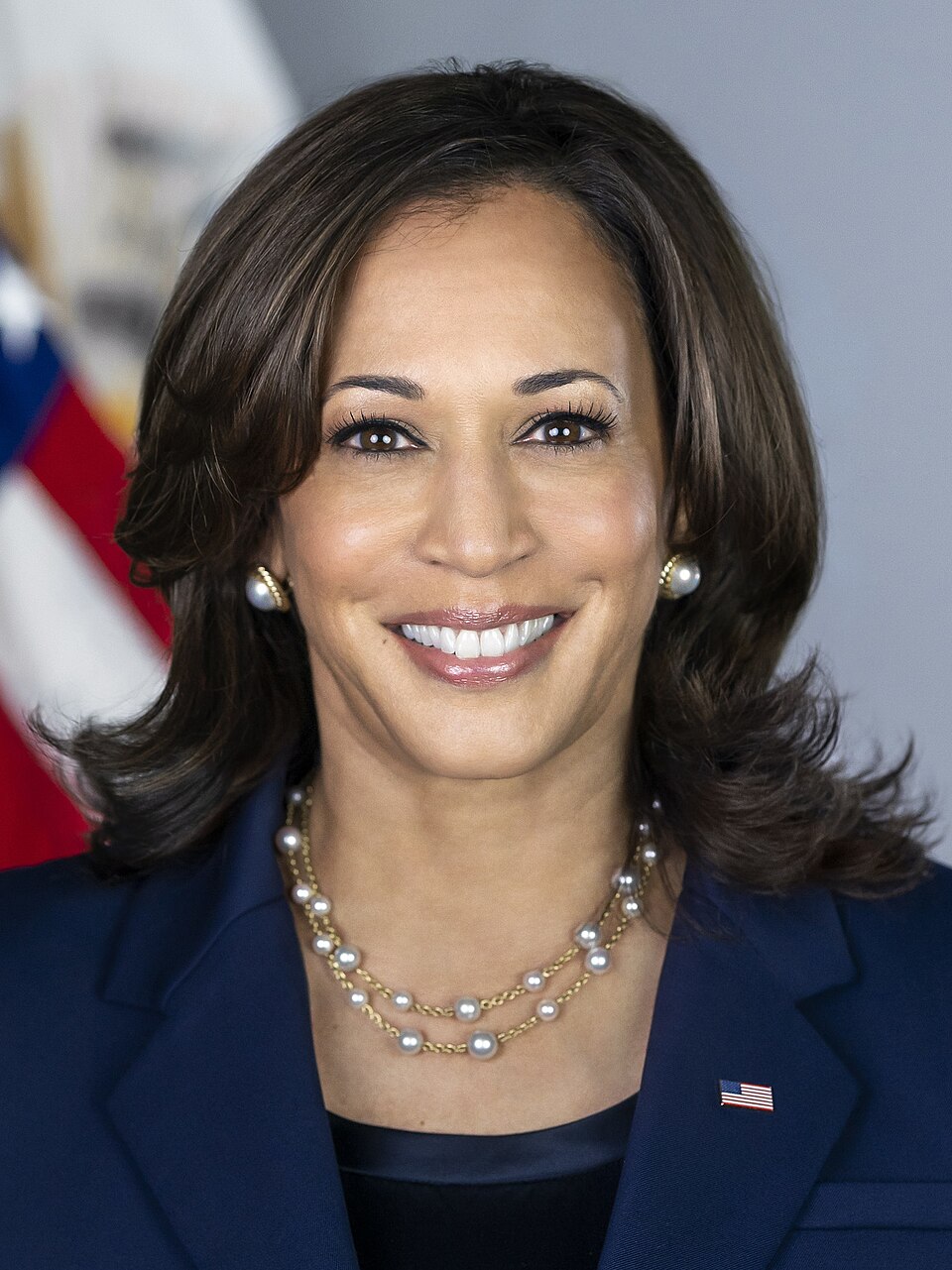
Former Vice President Kamala Harris said Thursday she was not surprised by some red-state Democrats choosing not to seek her endorsement, arguing those candidates are doing what they believe is necessary to win their races. "We need to win, OK? Bottom line, we need to win," Harris told host Peter Alexander during an appearance on MS NOW's "State of Play."
The former vice president's comments came in response to reports that some Democratic candidates in traditionally Republican-leaning states have declined her support, a reflection of the delicate positioning many down-ballot Democrats face when running in competitive or unfavorable political terrain.
What the Right Is Saying
Republicans have seized on the rejections as evidence of Harris's political liability within her own party. Conservative commentators noted that even Democrats in deeply conservative states appear reluctant to align with a figure who served as vice president, suggesting weakness in her standing within the party hierarchy.
"If red-state Democrats won't take her help, that's telling," said one Republican National Committee spokesperson in a statement distributed to reporters. The RNC argued the rejections demonstrated that Harris's political brand was damaged following her 2024 presidential primary exit and subsequent polling struggles.
Some Republican strategists suggested the dynamic reflected broader Democratic Party divisions over direction and leadership, noting that candidates in competitive races often distance themselves from figures with complicated electoral histories regardless of party affiliation.
What the Left Is Saying
Harris framed the dynamic as a pragmatic rather than personal matter. "I would expect nothing less," she said, suggesting she views candidate decisions to distance themselves from nationally prominent figures as a rational electoral strategy rather than a slight. Her emphasis on winning reflected a broader Democratic Party message that defeating Republicans in competitive races takes priority over symbolic gestures of party unity.
Progressive strategists have argued that candidates in states like Alabama, Arkansas, and other traditionally Republican strongholds often need to establish independent identities from national party figures to appeal to swing voters. Some Democrats have pointed to successful local campaigns where candidates deliberately distanced themselves from Washington-based messaging to win over moderates and independents.
What the Numbers Show
The source article does not include specific polling data or statistics about Harris's approval ratings among Democratic voters or her effectiveness as a surrogate for party candidates. The extent of candidate rejections and which specific races are involved were not detailed in the available reporting.
Harris served as vice president from 2021 to 2025 under President Joe Biden. She launched an unsuccessful presidential primary campaign in late 2023 before withdrawing and endorsing Biden's re-election effort. The dynamics affecting her current standing within Democratic politics reflect both her national profile and recent electoral history.
The Bottom Line
Harris's response to being shunned by some fellow Democrats reflects a pragmatic acceptance of political realities facing candidates in challenging terrain. Her emphasis on winning suggests she is prioritizing party success over personal recognition, though the rejections themselves highlight ongoing tensions within the Democratic coalition about leadership and direction.
The incident illustrates a common dynamic in midterm and local elections: nationally prominent figures can sometimes become liabilities for candidates running in competitive districts or states, forcing those candidates to make difficult choices between party loyalty and electoral strategy. How this dynamic plays out in upcoming races will test whether distance from national Democrats proves strategically advantageous or ultimately harmful to party cohesion.