
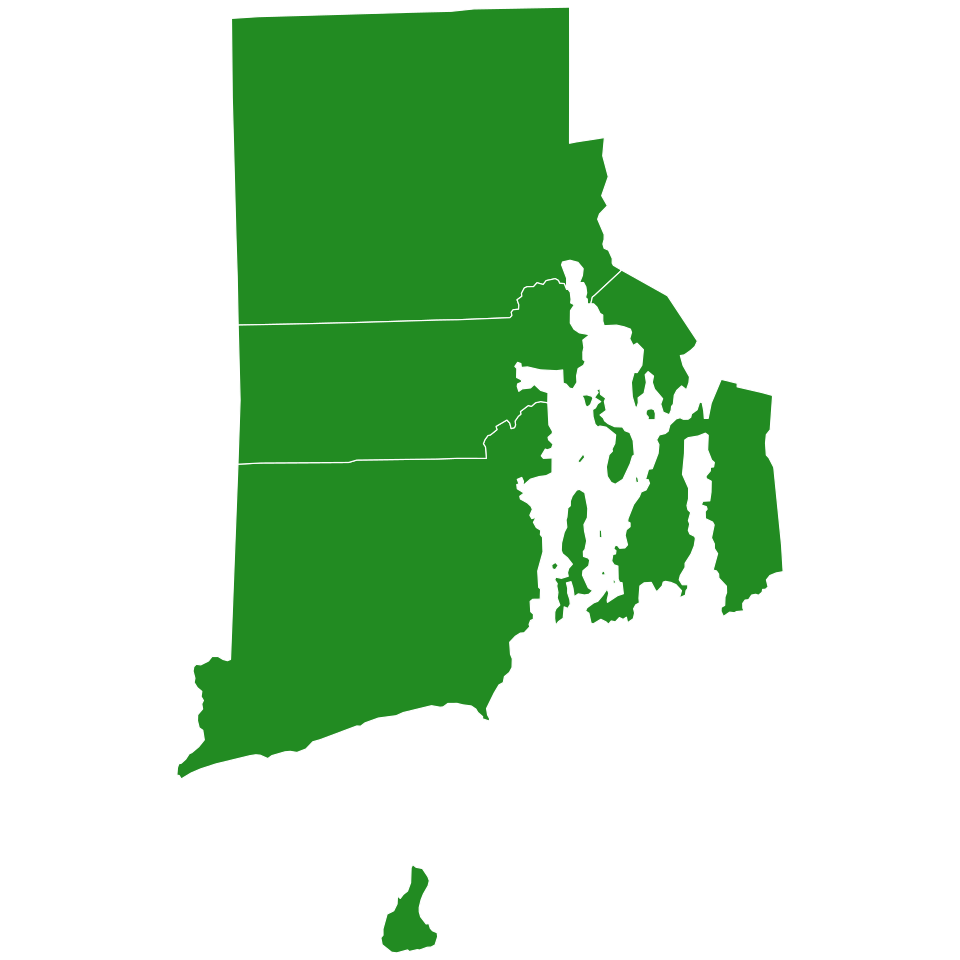
Rhode Island voters head to the polls for the Democratic gubernatorial primary, where incumbent Gov. Dan McKee faces a significant challenge from Helena Buonanno Foulkes. The race centers largely on the ongoing reconstruction of the Washington Bridge, which has been partially closed since December 2023, along with broader economic concerns including electricity rates and housing shortages. McKee, who assumed office in March 2021 and was elected to a full term in 2022, risks becoming the first sitting governor in over a decade to lose renomination.
What the Left Is Saying
Within the Democratic Party, the primary contest highlights a divide between the establishment incumbent and a challenger backed by substantial financial resources. Helena Buonanno Foulkes, a former executive at CVS Health, is campaigning on the premise that the state's infrastructure crisis requires a new approach. According to Rhode Island campaign finance records, Foulkes has outspent McKee by nearly two-to-one, signaling a concerted effort to capitalize on voter frustration over the delayed bridge repairs.
Foulkes, who is the niece of former U.S. Sen. Chris Dodd, previously narrowly lost to McKee in the 2022 Democratic primary. Her campaign argues that the current administration's management of the Washington Bridge project—originally slated to reopen this year but now pushed to November 2028—demonstrates a lack of urgency and accountability. Progressive voices in the state have emphasized that the bridge, which once carried roughly 100,000 vehicles daily, remains a critical chokepoint affecting daily life and economic activity in Providence and East Providence.
What the Right Is Saying
On the Republican side, the focus is on selecting a nominee who can challenge the likely Democratic winner in the general election. Aaron Guckian, a state trade association executive and the 2022 GOP lieutenant governor nominee, has received the endorsement of the Rhode Island GOP. He is competing against Elaine Pelino, a former actress and first-time candidate, for the party's nomination. Both candidates are positioning themselves as alternatives to the incumbent Democratic leadership, citing high electricity rates and the severe shortage of affordable housing as key issues driving voter dissatisfaction.
Conservative commentators note that the anti-incumbent sentiment in Rhode Island mirrors national trends, with voters expressing frustration over long-term infrastructure delays and cost-of-living pressures. The Republican strategy appears to hinge on maintaining a unified front behind their nominee, aiming to leverage the Democratic primary infighting to gain traction in the general election. In the Senate race, Raymond McKay, a former president of the Rhode Island Republican Assembly, is the presumptive GOP nominee facing three-term incumbent Sen. Jack Reed.
What the Numbers Show
Data from Rhode Island campaign finance records indicates that Foulkes has outspent McKee by a margin of nearly two-to-one in the lead-up to the primary. The Washington Bridge, a critical infrastructure asset connecting Providence to East Providence, was shut down in December 2023 after officials identified critical structural flaws. Prior to the closure, the bridge handled approximately 100,000 vehicles per day. The state originally projected a reopening date in 2026, but revised timelines now point to November 2028 for full completion.
In the 2022 election cycle, McKee won the Democratic primary by a narrow margin in a multi-candidate field before securing victory in the general election in the solidly blue state. Current polling and political analysis suggest that the bridge issue remains a top concern for voters. Additionally, Rhode Island continues to report some of the highest electricity rates in the nation, contributing to the economic backdrop of this election.
The Bottom Line
The outcome of this primary will determine whether Gov. McKee continues his tenure or if Rhode Island selects a new Democratic leader amid growing dissatisfaction with infrastructure management. If McKee loses, he would be the first elected governor in the United States to fail in renomination in twelve years. The winner will face the Republican nominee in the general election, where the Democratic candidate is heavily favored due to the state's partisan lean. Voters should watch for immediate reaction to the primary results, as the bridge reconstruction timeline and economic policies will likely remain central issues through the general election.