
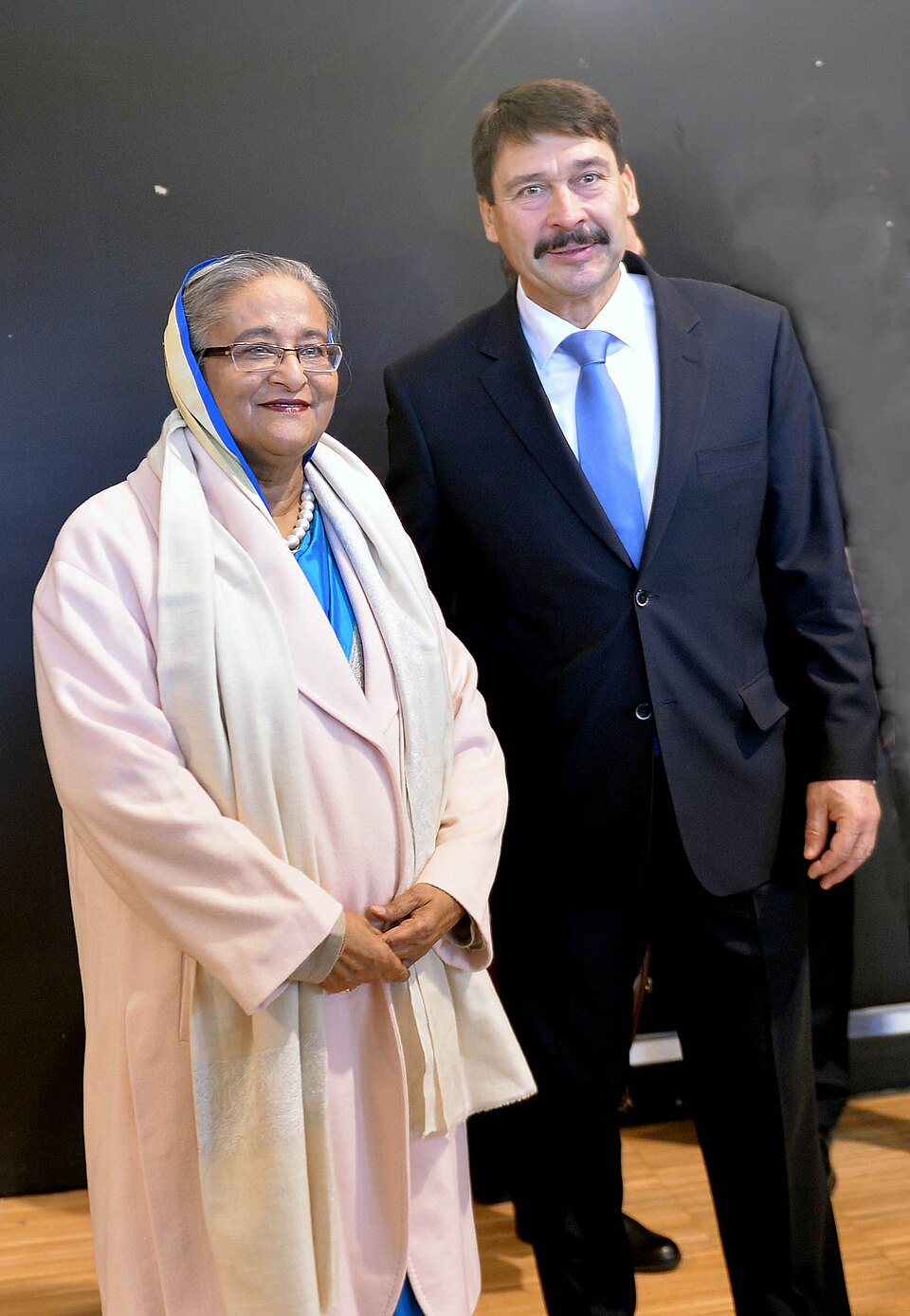
Hungarian Prime Minister Peter Magyar announced plans to repeal the constitutional amendment enacted under former Prime Minister Viktor Orban that restricted adoption rights to married couples, effectively barring same-sex couples from adopting children. The move marks a significant shift in social policy following the change in government leadership earlier this year.
The restriction was introduced in 2020 as part of a series of family-oriented laws championed by the Fidesz party, which defined marriage exclusively as a union between a man and a woman. Magyar, who leads the Tisza party, has stated that the current administration intends to restore legal equality for same-sex partners in family law matters.
What the Right Is Saying
Conservative commentators and members of the opposition Fidesz party have criticized the move, arguing that it undermines traditional family values. Former government officials stated that the 2020 amendment was widely supported by the Hungarian public in a national consultation and reflects the majority's view on the definition of family. Critics warn that changing constitutional definitions sets a precedent for further social engineering.
Some right-leaning media outlets have characterized the repeal as a capitulation to Brussels, suggesting that the new government is prioritizing EU approval over domestic cultural preferences. They argue that the focus should remain on supporting biological families and that adoption policies should be reserved for heterosexual marriages.
What the Left Is Saying
Progressive groups and LGBTQ+ advocacy organizations have welcomed the announcement as a long-overdue step toward human rights compliance. The Hungarian LGBTQ+ advocacy group Háttér Society stated that the amendment was discriminatory and inconsistent with European Union values. Supporters argue that restoring adoption rights will help address the country's demographic challenges by allowing more stable households to raise children.
Political allies within the coalition government have emphasized that the repeal aligns Hungary with Western democratic norms. They argue that the previous government used social issues to distract from economic concerns and that removing the ban is essential for restoring Hungary's international reputation.
What the Numbers Show
The 2020 constitutional amendment was passed by a two-thirds majority in the Hungarian parliament, which was then controlled by the Fidesz-KDNP coalition. According to data from the Hungarian Central Statistical Office, the number of children in state care remains significant, though the impact of the adoption ban on specific adoption rates for same-sex couples is difficult to isolate due to the small sample size of such adoptions prior to the ban.
Public opinion polls conducted during the 2022 election cycle showed a divided nation on social issues, with urban centers leaning more progressive and rural areas favoring traditionalist policies. The current government's mandate rests on a coalition that prioritizes institutional reforms and rule-of-law restoration as prerequisites for unlocking billions in frozen EU funds.
The Bottom Line
The repeal of the adoption ban is expected to be introduced in parliament in the coming months, requiring a two-thirds majority to amend the constitution. If successful, it will likely trigger a renewed debate with the European Commission regarding other remaining LGBTQ+ restrictions, such as the ban on portraying homosexuality in schools. This move signals a broader effort by the Magyar administration to realign Hungary with EU standards and resolve outstanding legal disputes with Brussels.