
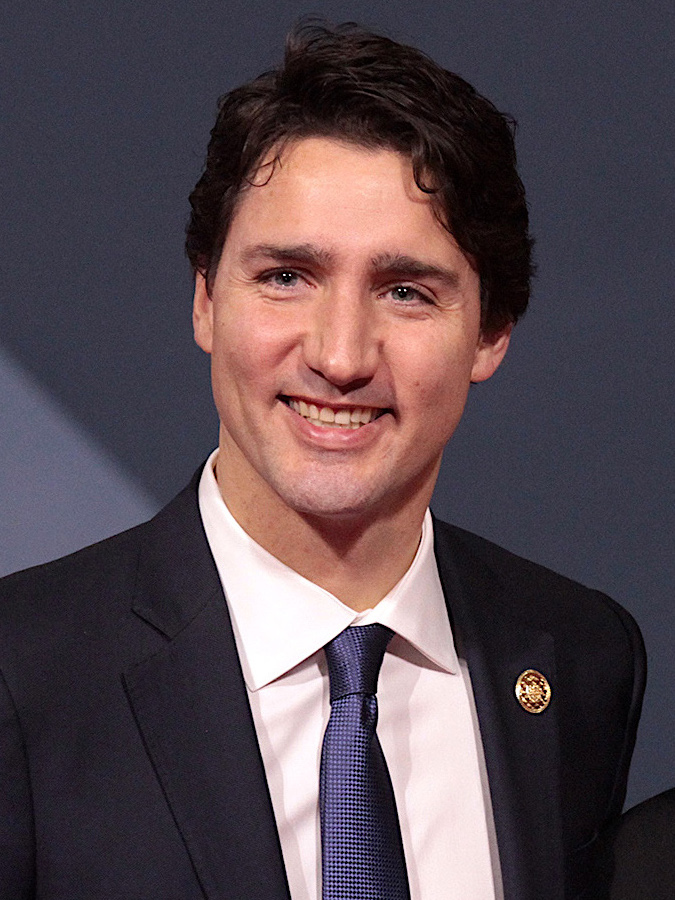
European Commission President Ursula von der Leyen has publicly supported a proposal for Canada to become an 'associate member' of the European Union, signaling a potential shift in the transatlantic partnership. The endorsement came during a high-level diplomatic meeting where leaders discussed strengthening economic and security ties between the EU and Canada. This move is framed as a response to evolving global geopolitical conditions, particularly regarding trade stability and defense cooperation.
The concept of 'associate membership' does not currently exist in the EU's primary treaties, which traditionally offer only full membership or various forms of partnership agreements. Von der Leyen described the idea as a 'pragmatic step' to integrate Canada more closely into EU decision-making processes without the full obligations of membership, such as adopting the euro or joining the Schengen Area. Canadian Prime Minister Justin Trudeau welcomed the suggestion, noting that it aligns with Canada's goal of diversifying its international partnerships beyond the United States.
What the Right Is Saying
Conservative voices in Canada and Europe express concern that associate membership could erode national sovereignty and complicate Canada's relationship with its largest trading partner, the United States. Critics argue that aligning too closely with EU regulatory frameworks may impose burdens on Canadian industries, particularly in agriculture and energy. Some right-leaning analysts suggest that Canada should prioritize North American integration and bilateral agreements rather than pursuing structural changes with Europe that may not yield immediate economic benefits.
What the Left Is Saying
Progressive commentators and EU integrationists argue that this move strengthens democratic alliances and provides a counterbalance to rising protectionism. They view associate membership as a way to lock in shared values on climate policy and digital rights, ensuring Canada remains aligned with EU regulations like the Green Deal and GDPR. Proponents suggest that deeper institutional ties with the EU can offer Canada a strategic hedge against unpredictable US trade policies under the current administration.
What the Numbers Show
EU-Canada trade in goods and services reached approximately $100 billion in 2025, according to Eurostat data. The Comprehensive Economic and Trade Agreement (CETA), which has been provisionally in force since 2017, has reduced tariffs on 98% of goods between the two entities. However, trade barriers in services and public procurement remain significant. Associate membership status would require ratification by all 27 EU member states, a process that has historically taken an average of five to seven years for new treaty modifications.
The Bottom Line
The proposal for associate membership is currently at the exploratory stage and requires significant legal and political groundwork. If pursued, it would set a precedent for the EU's relationship with other non-European allies. Key next steps include technical negotiations on the specific rights and obligations associated with the status, followed by consultations with member state capitals. The outcome will depend on the political will of both Ottawa and Brussels to navigate the complex treaty revision process.