
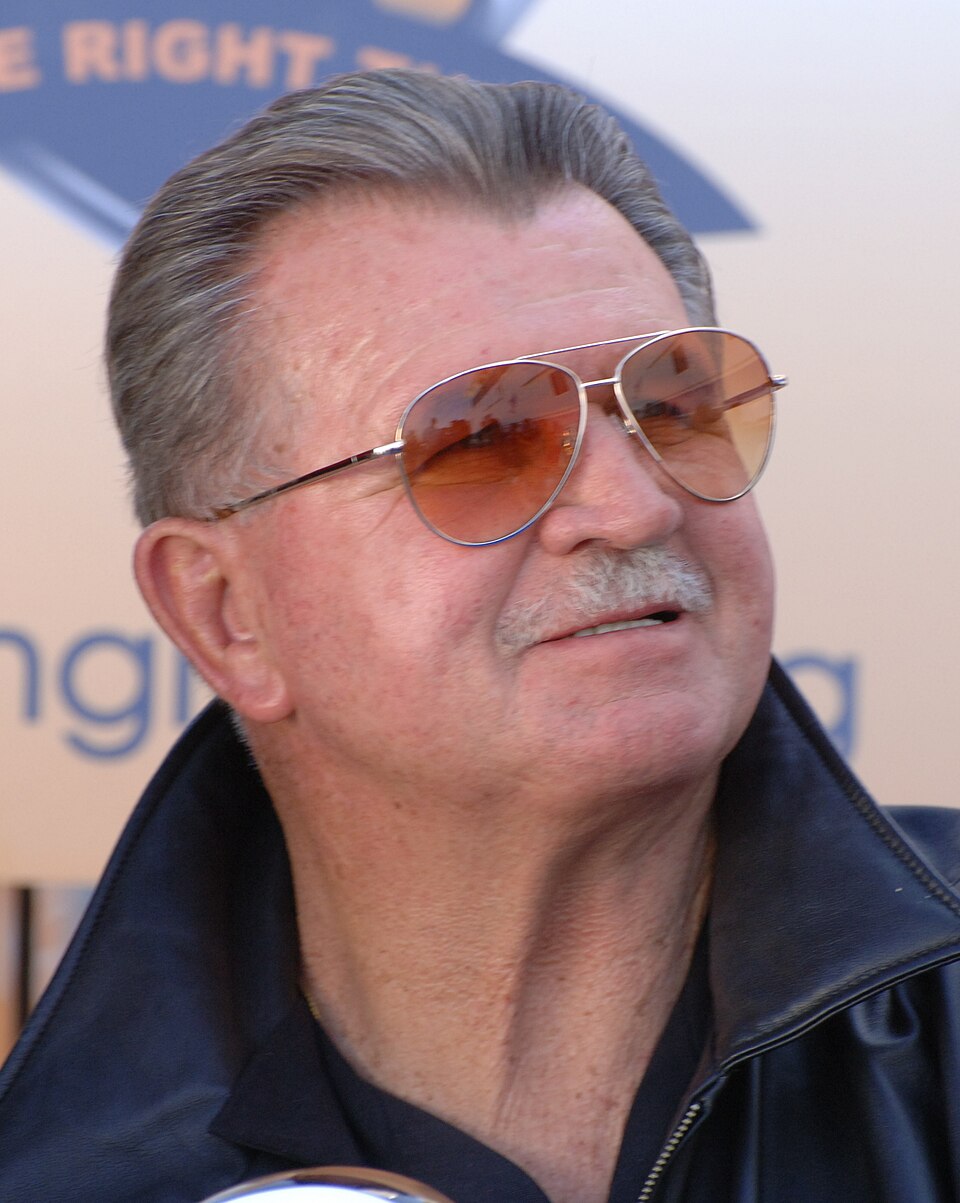
Mike Ditka, the cigar-chomping, clipboard-snapping embodiment of Chicago football who won titles as both a Hall of Fame player and a legendary head coach, died on Friday. He was 86. The cause of death was not immediately released. Ditka, known as “Iron Mike,” leaves behind a legacy as broad, loud, and indestructible as Chicago itself.
What the Left Is Saying
Progressive commentators and cultural critics have long celebrated Ditka as an authentic, non-elite figure who defied the polished, PR-managed image of modern sports stars. His rise from the Western Pennsylvania steel town of Aliquippa to NFL superstardom is viewed as a quintessential American working-class narrative, embodying a raw, unfiltered spirit that resonated with everyday fans.
The Left’s appreciation of Ditka is heavily tied to his embrace of pop-culture status, particularly through the iconic “Saturday Night Live” “Bill Swerski’s Superfans” sketches. Progressive commentators note that Ditka’s willingness to play along with the joke—that he could beat a hurricane in a fight—demonstrated a humility and humor that humanized him, turning him into a beloved cultural icon well beyond the gridiron.
What the Right Is Saying
Conservative voices emphasize Ditka's embodiment of traditional values, toughness, and accountability. They point to his branding of his 1985 Bears as the “Grabowskis”—a term he coined to describe his hard-nosed, blue-collar squad in contrast to flashy, softer teams he dubbed the “Smiths.” This branding resonated deeply with conservative fans who appreciated his no-nonsense approach and his rejection of perceived modern softness.
The Right also highlights Ditka's “lunch-bucket, blue-collar fury” as a defining trait that appealed to those valuing grit and resilience. His ability to weaponize players like William “The Refrigerator” Perry and survive a screaming halftime feud with coach Buddy Ryan are cited as examples of the decisive, tough leadership style that conservatives often champion in both sports and public life.
What the Numbers Show
Ditka was drafted fifth overall by the Chicago Bears in 1961 and posted a rookie season with 56 catches for 1,076 yards and 12 touchdowns, earning him Rookie of the Year honors. He was a five-time Pro Bowler and led the 1985 Bears to a 15-1 record and a 46-10 victory over the New England Patriots in Super Bowl XX. He is one of only two men to win a Super Bowl as a player, assistant coach, and head coach.
In 1963, Ditka delivered a signature performance against the Pittsburgh Steelers, catching a short pass and running more than 60 yards while bouncing off or dragging six or seven defenders. That legendary run set up the game-tying field goal, helping the Bears eventually defeat the New York Giants for the 1963 NFL Championship.
The Bottom Line
Ditka redefined the tight end position, transforming it from a glorified offensive lineman role into a lethal offensive weapon. His influence extended beyond football into mainstream pop culture, spawning the iconic “Saturday Night Live” “Bill Swerski’s Superfans” sketches. He remains a transformative figure in NFL history, remembered as the last of a dying breed: a fearless titan who never backed down from a fight.
His career spanned decades, from his bitter contract feud with owner George Halas in 1967 to his later stints with the Eagles, Cowboys, and Saints. Despite controversies, including trading an entire draft class for Ricky Williams, Ditka’s impact on the game and culture remains undeniable, cementing his status as one of the most recognizable figures in sports history.