
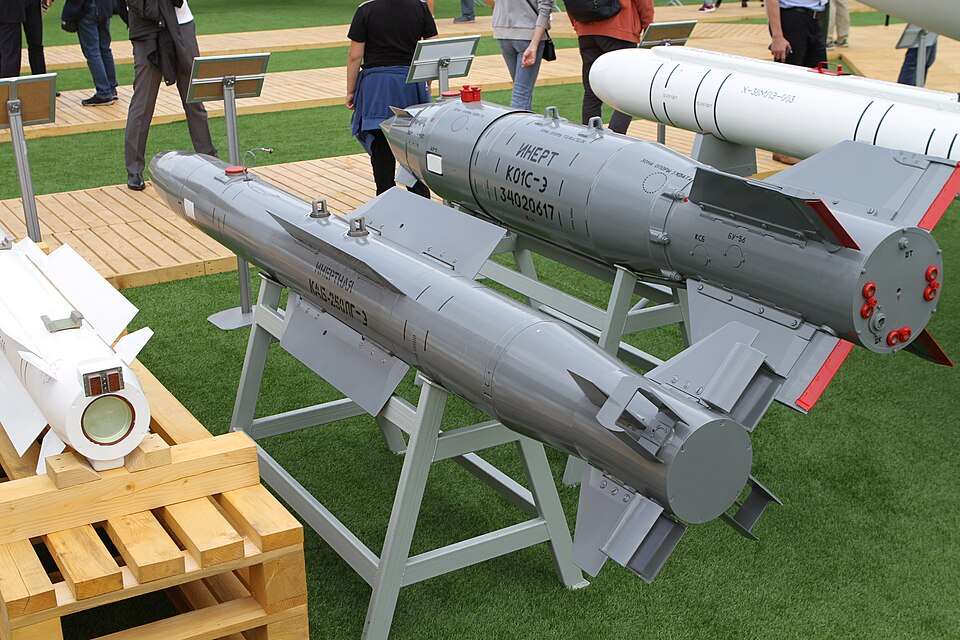
A Russian-guided bomb struck a bus stop in Kramatorsk, eastern Ukraine, killing 30 people and injuring dozens more, according to local authorities. The attack, which occurred as passengers waited for public transport, is part of a broader wave of Russian aerial assaults that have intensified pressure on Ukraine’s energy grid, leading to emergency blackouts in Kyiv. Oleksandr Honcharenko, head of Kramatorsk’s military administration, stated that rescue operations were hampered by subsequent drone strikes, accusing Russia of cynically targeting civilians.
The violence comes amid a long-range aerial war that has persisted for more than four and a half years since Russia’s full-scale invasion. While front-line armies remain largely deadlocked, Moscow has escalated attacks on infrastructure critical to Ukraine’s war-battered economy, including energy systems, railways, and commercial centers. The strikes have worsened power outages in the capital, with national grid operator Ukrenergo ordering emergency shutdowns in Kyiv. Regular rolling outages have been suspended during these emergency periods, forcing officials to urge residents to prepare emergency kits and secure backup power sources.
What the Left Is Saying
Ukrainian President Volodymyr Zelenskyy has framed the escalating attacks as a deliberate strategy to break Ukraine’s morale ahead of winter. Speaking after visiting the northern town of Pryluky, where a missile strike killed 22 people the previous day, Zelenskyy argued that Russia is using the approaching cold season as a weapon against civilians. He emphasized the need for immediate defensive capabilities to save lives, stating, "It is important that support in words takes concrete form in new packages for Ukraine's defense."
Progressive voices and international allies have highlighted the humanitarian toll of the strikes on non-military targets. British Foreign Secretary Ed Miliband, who accompanied Zelenskyy to Pryluky, announced new sanctions on Russia, signaling Western unity against the targeting of residential areas and public transport. Advocacy groups have pointed to the high number of civilian casualties, including children injured in recent drone strikes on Kyiv’s Obolonskyi and Desnianskyi districts, as evidence that current defensive measures are insufficient to protect urban populations.
What the Right Is Saying
Conservative commentators and some Western policymakers have focused on the strategic necessity of maintaining pressure on Russian military and industrial assets. The Ukrainian General Staff reported strikes on large oil refining complexes deep inside Russia, including facilities in Salavat and Omsk, arguing that degrading Russia’s energy capacity is essential to funding its war effort. These actions are framed as proportional responses to Russian aggression, aimed at reducing Moscow’s ability to sustain its offensive operations.
Officials from NATO member states, including Lithuania, have emphasized the importance of strengthening eastern flank security. Lithuania deployed approximately 100 additional soldiers to secure its border with the Russian enclave of Kaliningrad, a move described by Defense Minister Robertas Kaunas as a necessary precaution against potential instability. Meanwhile, Turkish Foreign Minister Hakan Fidan warned that escalating military offensives could disrupt commercial trade and grain exports in the Black Sea, urging both sides to consider proposals to protect civilian shipping.
What the Numbers Show
The attack in Kramatorsk resulted in 30 deaths, according to local military administration figures. This follows a strike on Pryluky that killed 22 people, including five children, and wounded at least 54 others. In Kyiv, late Wednesday drone strikes killed four people and injured 12, including four children. Kyiv police reported defusing two unexploded ballistic missile warheads, each weighing approximately half a ton, near residential buildings.
Ukrainian energy company DTEK confirmed that Ukrenergo has ordered emergency power outages in Kyiv, disrupting the regular rolling blackout schedule. On the Russian side, technology giant Yandex reported damage to a data center in the Ryazan region, taking it offline. Ukrainian forces claimed strikes on an oil refinery in Salavat, about 1,200 kilometers from Moscow, and reported that drones reached the Omsk region, more than 2,000 kilometers from the Ukrainian border. The Omsk refinery was reported to be on fire by independent outlet Astra, though this was not officially confirmed by Russian authorities.
The Bottom Line
The intensification of aerial attacks on both civilian and industrial infrastructure signals a shift toward a war of attrition focused on energy resilience and economic stability. Ukrainian officials are preparing for a harsh winter with limited power supplies, while diplomatic efforts continue to secure additional air defense systems. A Ukrainian delegation is scheduled to meet with representatives of U.S. President Donald Trump, including Jared Kushner and Steve Witkoff, in the United States starting Friday to discuss strengthening Ukraine’s air defenses. The outcome of these talks, along with the impact of new Western sanctions and Ukrainian strikes on Russian energy assets, will likely determine the trajectory of the conflict in the coming months.