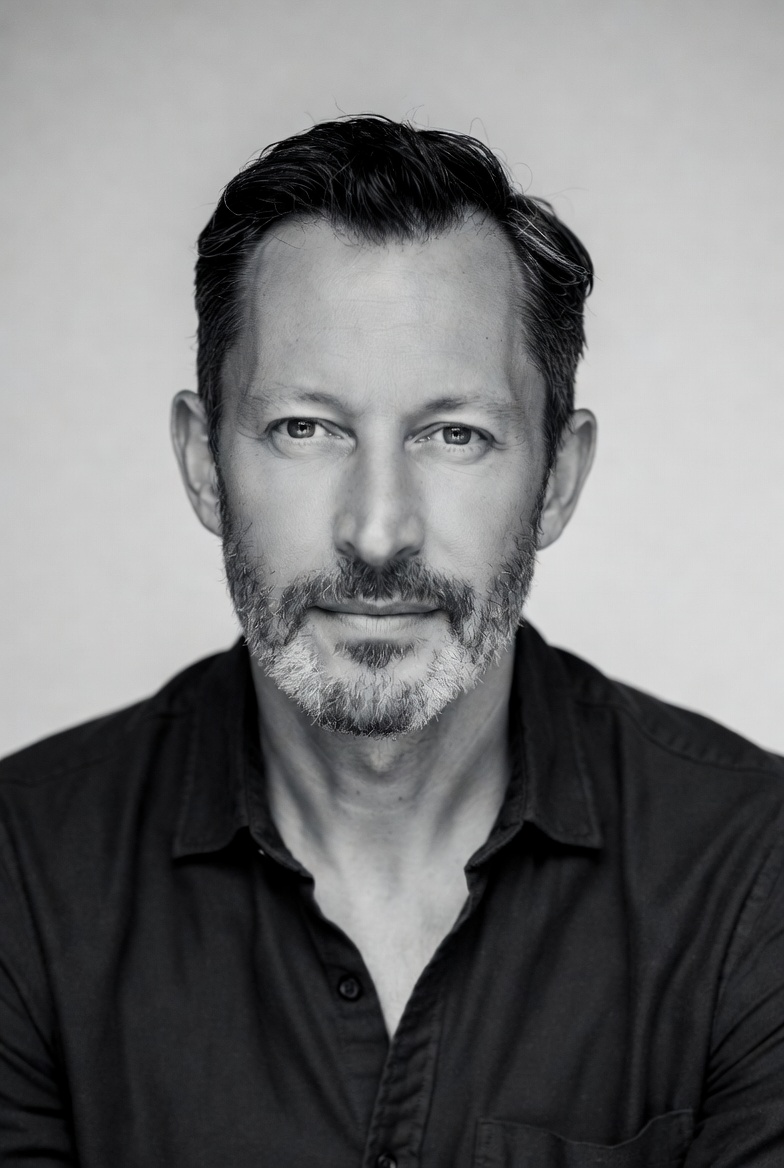
A Canadian tourist has been convicted of animal cruelty in Las Vegas after removing a flamingo from its enclosure at the Flamingo Las Vegas Hotel and Casino. Mitchell Fairbarn, 34, was found guilty on felony and misdemeanor animal abuse charges following a trial that centered on his decision to carry the bird, named Peachy, back to his hotel room in March. The verdict concludes a legal battle that began when surveillance video captured Fairbarn carrying the bird by its neck to an elevator. He now faces a potential sentence of nearly five years in prison.
The incident occurred at the hotel's wildlife habitat, a free-to-walk attraction on the Las Vegas Strip that houses Chilean flamingos, other birds, fish, and turtles. According to trial testimony, Fairbarn had consumed between 30 and 40 beers prior to entering the habitat. He testified that he intended the act as a harmless prank and stated he never meant to harm the animal. The case has drawn significant attention due to the severity of the charges relative to the tourist's stated intent and the visible injuries sustained by the bird.
What the Left Is Saying
Progressive commentators and animal welfare advocates have emphasized the tangible harm inflicted on the animal, noting that expert testimony confirmed Peachy suffered torn feathers and blood loss. This perspective supports strict enforcement of animal cruelty statutes, arguing that the distress caused to the bird—now described by a state veterinarian as having a more anxious demeanor around humans—warrants a felony conviction. Advocates in this camp view the legal outcome as a necessary deterrent against treating wildlife as disposable entertainment props, particularly in tourist-heavy environments.
What the Right Is Saying
Conservative commentators and defense supporters have focused on the proportionality of the punishment, with some questioning whether a felony conviction is appropriate for a drunken prank. Fairbarn’s attorney, Josh Tomsheck, argued that his client’s actions were driven by alcohol and poor judgment rather than malice, stating, "He should not have done that, should not have gone into the habitat, shouldn't have touched a bird, shouldn't have taken Peachy inside. The truth is, Mitch was drunk. Mitch was stupid. He made bad decisions." This viewpoint highlights the defense's position that Fairbarn received death threats and should not face severe incarceration for a momentary lapse in judgment.
What the Numbers Show
The trial involved 14 witnesses and more than 112 pieces of evidence, according to CBS News. The jury deliberated for approximately five hours before reaching a verdict. Fairbarn faces a maximum sentence of nearly five years in prison. Since his arrest, he has remained in the United States under house arrest in Las Vegas, with a sentencing hearing scheduled for December. The animal involved, Peachy, has largely recovered physically, though veterinary assessments indicate lasting behavioral changes.
The Bottom Line
The conviction underscores the legal consequences of interfering with captive wildlife in commercial settings, even when the perpetrator claims no malicious intent. Fairbarn’s sentencing in December will determine whether the court prioritizes the animal welfare statutes or the mitigating factors of intoxication and lack of prior intent. The case also raises questions about the security and accessibility of animal habitats in major entertainment venues.