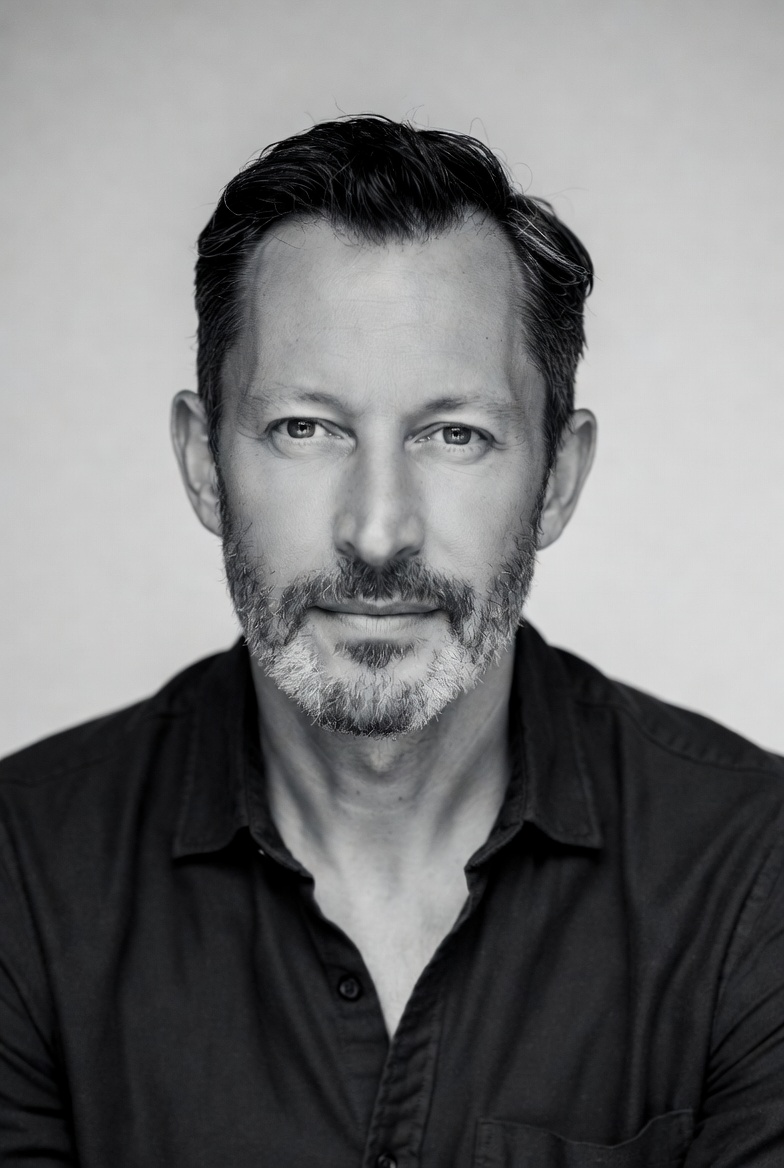
Lorne Doerkson will become the premier of British Columbia after the provincial Conservative Party won a majority government in a snap election held Saturday. The victory marks the first time the Conservatives have won power in the province in nearly a century. Doerkson, a former rodeo announcer and newspaper publisher who was elected to the legislative assembly in 2020, assumed the party leadership just weeks before the vote following internal conflicts that led to the resignation of former leader Kerry-Lynne Findlay.
The election was called by outgoing Premier David Eby of the New Democratic Party (NDP) two years early, aiming to strengthen his government's position amid political challenges and external economic pressures. Eby argued that the NDP's slim one-seat majority made governance difficult and sought a larger mandate to implement policies. However, the gamble backfired, resulting in a significant shift in provincial leadership and prompting Eby to resign as party leader immediately after the results were projected.
What the Right Is Saying
Lorne Doerkson, who described his rise to the leadership as unexpected, emphasized a message of economic freedom and reduced government interference. In his victory speech, Doerkson stated that British Columbians are 'hardworking, trailblazing people' who want 'a fair shot at building something in this province.' He promised to cut red tape significantly, specifically by fast-tracking forestry and mining permits, and pledged to triple natural gas production by 2035. Doerkson noted that he was surprised to be chosen as the party's figurehead while on a flight home from South Africa, calling the timing 'a little bit of a short notice.'
What the Left Is Saying
Premier David Eby framed the early election call as a necessary measure to provide a 'fire break' against US President Donald Trump's economic policies and political style, which he argued threatened to influence British Columbia. Eby stated that his left-leaning party required a stronger majority to pass legislation efficiently and avoid the instability of a government where 'every single vote could bring down the government.' In his concession speech, Eby accepted 'full responsibility' for the election outcome, acknowledging that voters desired a change in leadership.
What the Numbers Show
In the 93-seat British Columbia Legislative Assembly, the Conservative Party is projected to have won 64 seats, securing a clear majority. The NDP is projected to have won 27 seats, while the BC Green Party secured two seats. The shift represents a dramatic reversal from the previous government's one-seat majority. The election resulted from a snap call made by the NDP, who had been in power since 2022 under Premier Eby. The Conservative win follows a period of internal party turmoil, including the resignation of former leader Kerry-Lynne Findlay in September after a third of her caucus quit the party.
The Bottom Line
The election results signal a major political realignment in western Canada, with the Conservatives returning to power in British Columbia for the first time since the 1920s. Doerkson's administration will likely prioritize deregulation in the resource sectors, specifically forestry and mining, and expansion of natural gas production. The outcome also adds to recent provincial political shifts in Canada, following the Parti Quebecois's minority government win in Quebec earlier this month. Observers will watch how the new Conservative government navigates relations with the federal government in Ottawa and addresses the economic pressures cited by the outgoing NDP administration.