
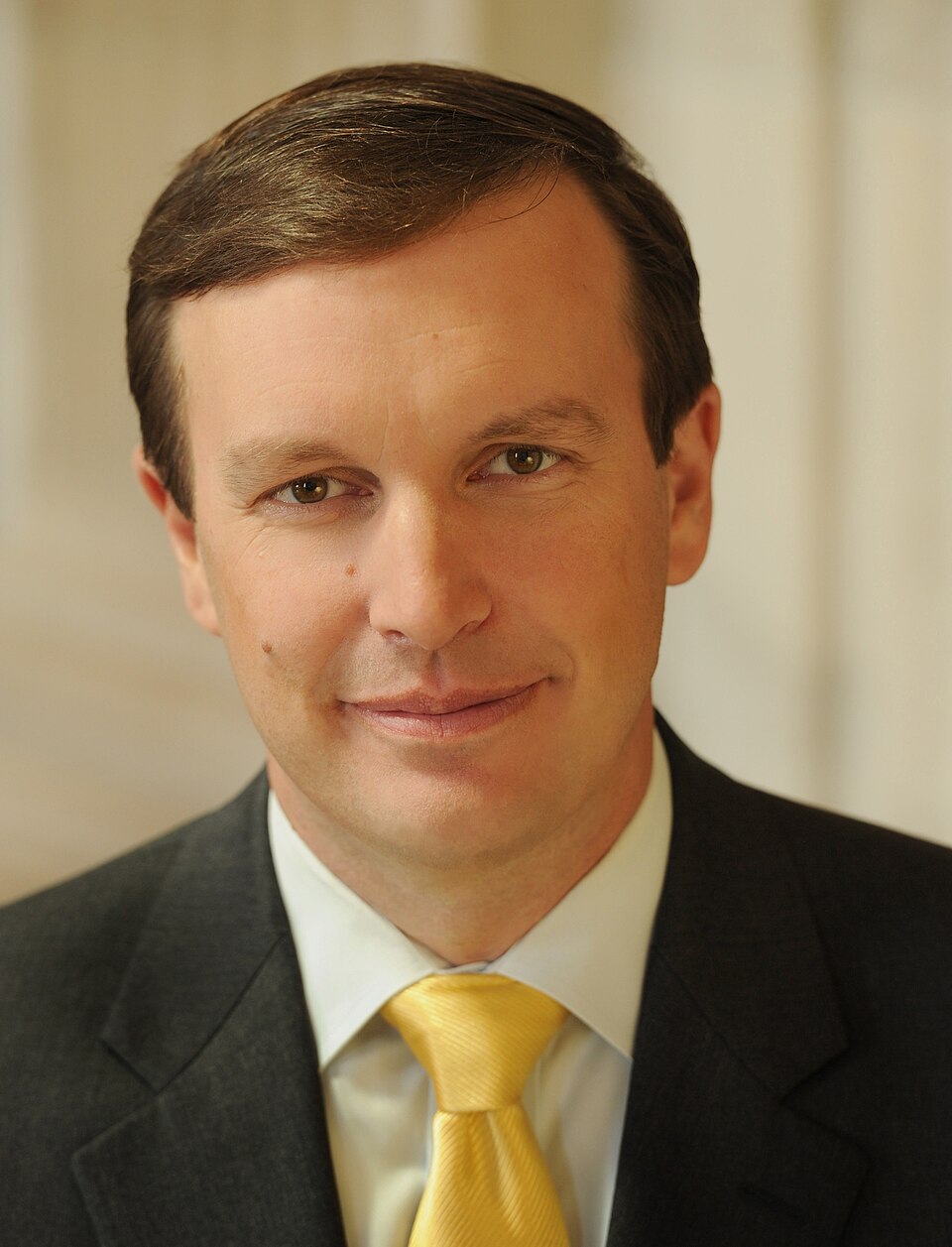
U.S. Senator Chris Murphy (D-CT) was hospitalized on Oct. 31 after suffering a stroke at age 53, a medical event that has drawn attention to a broader public health trend: rising stroke rates among younger adults. Murphy’s chief of staff stated she is "optimistic" the senator will make a full recovery. While strokes remain more common among older populations, data indicates a significant increase in incidence among adults aged 20 to 54 over the past three decades.
Researchers have observed that while stroke rates for older adults have declined in recent years, the opposite is true for younger demographics. This shift has prompted health experts to examine the underlying causes, including lifestyle factors and pre-existing conditions that are becoming more prevalent in younger populations. The case of a sitting U.S. Senator experiencing such an event highlights the potential impact on legislative productivity and the broader implications for workplace health policies.
What the Left Is Saying
Progressive commentators and health advocates have used Murphy’s hospitalization to emphasize the need for stronger public health interventions and access to preventive care. Many Democratic leaders have expressed support for Murphy’s recovery, framing his health scare as a reminder of the vulnerabilities faced by working Americans, including elected officials. Advocates argue that the rise in strokes among younger adults is linked to socioeconomic factors, including stress, lack of access to healthy food options, and gaps in healthcare coverage for preventive screenings.
Organizations focused on heart health and stroke prevention have reiterated calls for increased funding for public health campaigns. These groups argue that the data showing rising incidence rates among young adults should trigger a policy response focused on early detection and management of risk factors like high blood pressure and diabetes, particularly in underserved communities.
What the Right Is Saying
Conservative commentators and health policy experts have focused on individual responsibility and lifestyle choices as key drivers of the trend. Many on the right argue that the increase in strokes among younger adults correlates with rising rates of obesity, poor diet, and sedentary lifestyles, suggesting that public health messaging should emphasize personal agency and preventive habits. Some have criticized the healthcare system for being reactive rather than proactive, arguing that regulatory burdens may hinder innovation in preventive care technologies.
Republican officials have generally offered well-wishes to Senator Murphy, with some noting the bipartisan nature of health challenges. Policy voices on the right have argued that reducing bureaucratic overhead in healthcare could allow providers more flexibility to focus on patient education and early intervention strategies, rather than administrative compliance.
What the Numbers Show
According to research cited by PBS NewsHour, the stroke incidence rate among adults aged 20 to 54 nearly doubled between 1993-94 and 2020. In 1993-94, the rate was 33.90 cases per 100,000 people; by 2020, it had risen to 62.18 cases per 100,000 people. In contrast, stroke rates for older adults declined during the same period.
A comparison by the Centers for Disease Control and Prevention (CDC) between stroke incidence data from 2011-13 and 2020-22 found that stroke prevalence increased by 14.6% among people aged 18 to 44 and by 15.7% among people aged 45 to 64. Additionally, a study in Florida covering the period from 2014 to 2022 found that young patients (18 to 55 years old) who experienced the most common form of stroke increasingly had existing vascular risk factors, such as hypertension, coronary artery disease, diabetes, or sleep apnea.
The Bottom Line
The rise in stroke incidence among younger adults is a significant public health concern that cuts across political lines. Health professionals advise quitting smoking, avoiding recreational drug use, maintaining a balanced diet, and staying active to reduce risk. Dr. Elizabeth Rosen, a neurologist at Tufts Medical Center, noted that high blood pressure significantly increases stroke risk and that some individuals may feel healthy despite having hypertension. Dr. Aaron Shoskes, a neurologist at the University of Utah, emphasized that regular visits to a primary care provider can help identify risk factors early, stating, "Early intervention makes a big difference." As Senator Murphy recovers, the medical community continues to monitor these trends, urging policymakers and individuals alike to prioritize preventive health measures.