
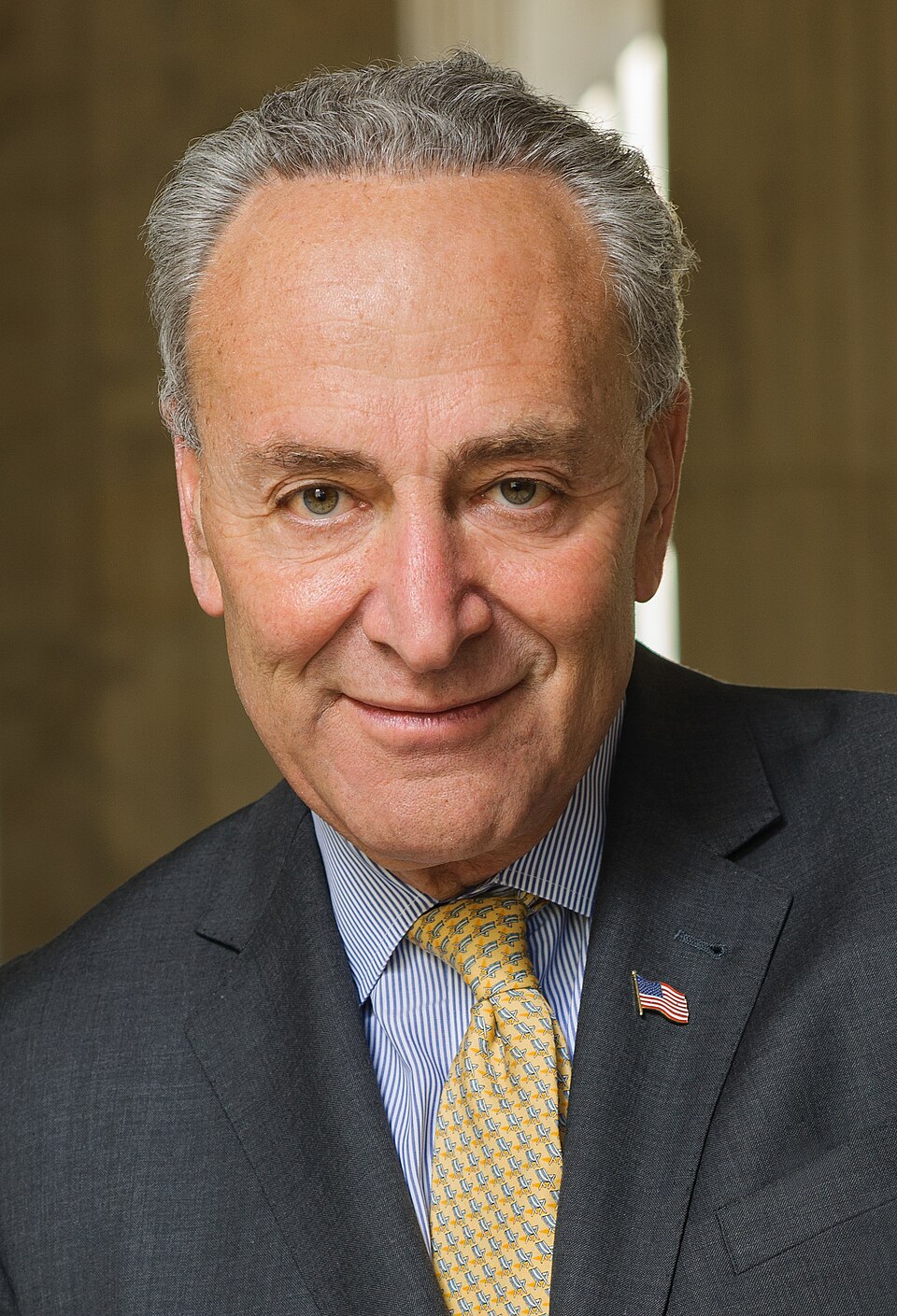
Democratic leadership contests in both the House and Senate have intensified, revealing deep divisions within the party ahead of the next congressional session. In the House, Minority Leader Hakeem Jeffries (D-N.Y.) faces resistance from some members of the incoming freshman class regarding his bid for Speaker, while in the Senate, Sen. Chris Van Hollen (D-Md.) has formally challenged Minority Leader Chuck Schumer (D-N.Y.) for the position of Majority Leader.
The disputes center on questions of party process, ideological alignment, and leadership tenure. Jeffries currently has no official rival for the Speakership, but several newly elected Democrats have withheld endorsements, citing a desire for a more democratic selection process. In the Senate, Van Hollen’s challenge is supported by a growing bloc of senators who argue that recent electoral victories in traditionally Republican states signal a demand for change in leadership.
What the Left Is Saying
Progressive members and some moderates are calling for a more open leadership selection process, arguing that acclamation does not reflect the diverse views of the new caucus. Rep.-elect Angela Gonzales-Torres (D-Calif.) stated her opposition to Jeffries is driven by constituent feedback and a desire for procedural fairness. "My position is no because that's what my constituents and my community is saying," Gonzales-Torres said. "It's really about the process. We want a democratic process. And that's what we're really fighting for. It's not about one person."
Sen. Elissa Slotkin (D-Mich.) also distanced herself from the current Senate leadership, stating, "I've been open that I'm not voting for Sen. Schumer." Sen. Ruben Gallego (D-Ariz.), while aligned with Schumer, emphasized that policy outcomes matter more than personnel, noting, "I think no matter who is Leader, we're going to deliver on this agenda." New York City Mayor Zorhan Mamdani (D) echoed this sentiment, sidestepping an endorsement of the long-time Senate leader by saying, "I care less about who it is and I care more about what they do with that power."
What the Right Is Saying
Republican leaders and commentators view the Democratic infighting as a sign of structural weakness and disorganization. House Republicans finalized their leadership team last week, selecting Rep. Jim Jordan (R-Ohio) as Minority Leader over current Majority Leader Steve Scalise (R-La.), a move that highlighted their own internal dynamics but resulted in a settled hierarchy. Rep.-elect Chris Stigall (R-Mo.) predicted significant challenges for the Democrats, stating, "They're going to have one heck of a fight on their hands deciding who the voice of their party going forward is going to be." Stigall added, "If Team Jeffries can somehow manage to wrangle and herd those cats, it'll be a miracle, frankly."
From the conservative perspective, the lack of a unified Democratic front offers an opportunity for Republicans to define the political narrative. The contrast between the completed Republican leadership elections and the ongoing Democratic debates is being used to frame the GOP as disciplined and the Democrats as fractured.
What the Numbers Show
The House Democratic caucus includes over 100 newly elected members, creating a complex voting bloc. While Jeffries has supporters like Rep.-elect Jessica Killin (D-Colo.), who endorsed him by stating, "He hasn't had the opportunity to work in the majority as a leader of our party yet and I want to give him that opportunity," others remain uncommitted. Rep.-elect Sam Forstag (D-MT.), who won a district President Trump carried by 11 points, said, "I haven't committed my vote to anybody," focusing instead on modernizing House operations. In the Senate, Van Hollen has secured support from at least five senators or senators-elect, with three additional senators indicating they will not back Schumer. Schumer, 75, has led Senate Democrats for a decade, while Van Hollen is nine years younger.
The Bottom Line
The leadership battles in both chambers will determine the legislative priorities and internal cohesion of the Democratic Party for the next two years. In the House, the decision to endorse Jeffries by acclamation or hold a contested vote will test the influence of the freshman class. In the Senate, the Van Hollen challenge represents the first serious contest for Schumer's leadership in years, potentially signaling a shift in the party's strategic direction. Observers will watch for whether these internal divisions impact the party's ability to present a unified front on upcoming legislative initiatives.
According to reports, a small group of demonstrators protested Jeffries at a conference in Colorado, shouting for impeachment and using profanity, indicating that tensions extend beyond closed-door caucus meetings to public forums. The outcome of these leadership elections will likely influence the committee assignments and policy platforms of the incoming Congress.