
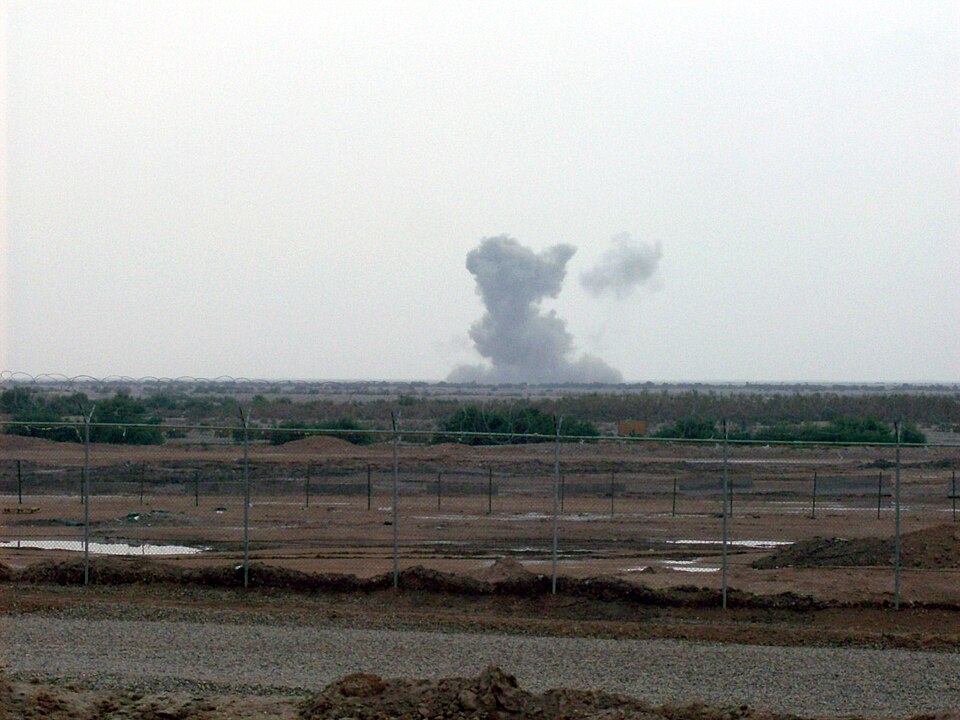
The U.S. Army successfully detonated approximately 10,000 pounds of lead azide, a highly volatile chemical used in bomb-making, in Iowa after receiving approval from a federal court. The operation, which involved two controlled explosions, was designed to eliminate the risk of spontaneous detonation associated with the aging stockpile. While Army officials declared the mission a success and stated that no airborne lead was detected, neighboring communities remain on alert as three states continue to monitor environmental effects.
Lead azide had been stored for decades and became unstable, posing a risk of accidental explosion as temperatures dropped. The Army identified the destruction of the material as the only safe disposal method, with primary concerns focused on the potential dispersion of toxic lead dust into the atmosphere. Prior to the blast, officials implemented extensive mitigation measures, including waiting for optimal weather conditions, which caused several delays.
What the Left Is Saying
Environmental groups that had previously attempted to block the detonation through legal channels remain skeptical of the Army's assurances. These organizations are demanding a full accounting of the blasts' environmental and health impacts, arguing that the risks to local ecosystems and public health were not adequately mitigated. Residents like Lucy Giehl of Burlington, Iowa, expressed frustration with the communication from military officials, noting that initial advice to simply hose down surfaces or use baby wipes to clean up potential residue lacked sufficient safety protocols, such as providing personal protective equipment (PPE).
What the Right Is Saying
Military and federal officials emphasized the necessity and success of the operation. Maj. Gen. Eric Shirley stated that every indication suggested the munitions employed effectively reduced the lead azide threat. Cameron Hamilton, the FEMA Administrator, reported a "0.0 detection level of lead" in the atmosphere following the explosions. Robert Cekada, a representative for the operation, confirmed that the design plan by Explosive Ordnance Disposal (EOD) personnel ensured the blast was driven into the ground along a pre-determined channel to minimize atmospheric dispersion, describing the execution as "100 percent as planned." Local resident Daren Morris of Middletown, Iowa, reflected this perspective, noting that while there may be some lead dust to clean up, the containment efforts appeared successful.
What the Numbers Show
The operation involved the destruction of the nation's entire supply of lead azide, totaling five tons (approximately 10,000 pounds). Mitigation efforts included the use of mounds of earth, layers of spray foam, and canisters containing 100,000 gallons of water to trap toxic air particles. The Army had previously predicted that a lead plume could drift as far as 100 miles southwest into Missouri. However, the Missouri governor stated that mitigation efforts appeared successful. Airborne lead exposure is known to impact the brain, nervous system, and other organs, with particular developmental risks for young children. Three states have announced they are monitoring the effects of the blast.
The Bottom Line
The detonation resolves the immediate safety hazard posed by the unstable chemical stockpile, but questions remain regarding long-term environmental monitoring and community trust. While federal agencies report zero airborne lead detection, the lack of post-blast press questions has fueled ongoing concerns among residents and environmental advocates. Authorities in Iowa, Missouri, and a third unnamed state will continue to monitor air quality and soil conditions in the coming days. The incident highlights the complex logistical and public relations challenges associated with disposing of legacy military hazards in populated areas.