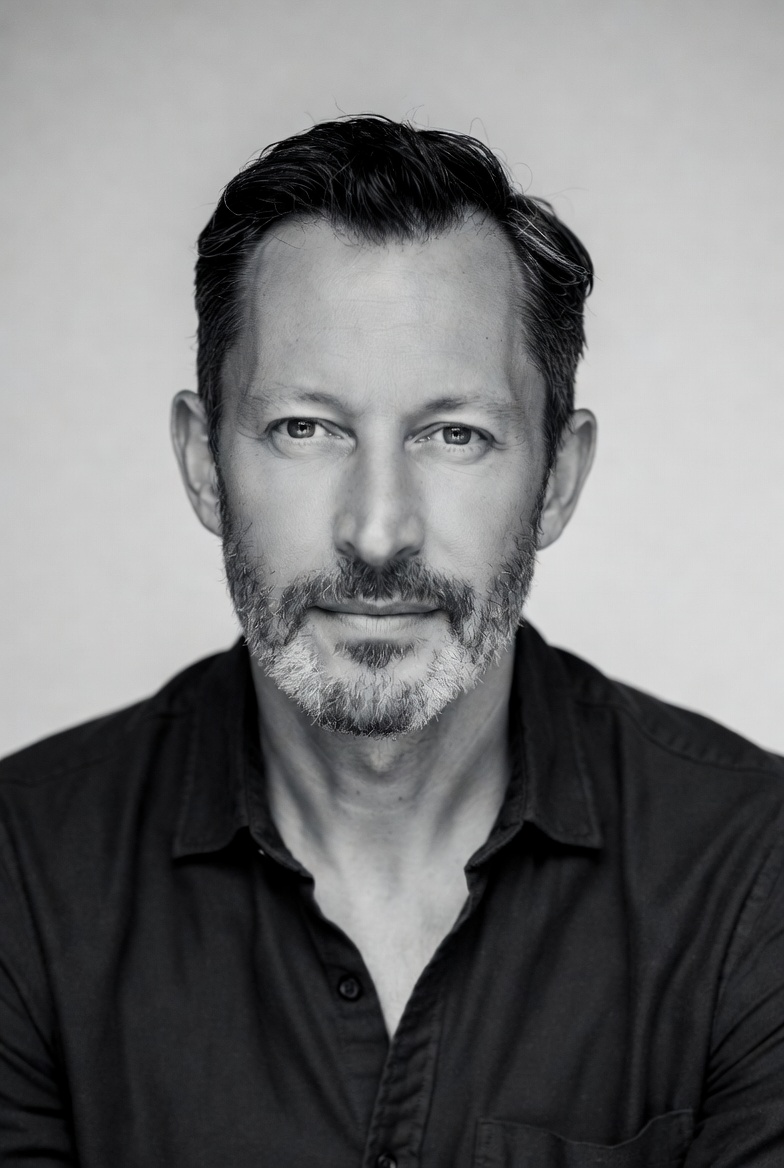
Serbia's student movement announced on Friday the candidacy of Radomir Saicic, a 65-year-old chemistry professor, for the early presidential election scheduled for Dec. 27. The announcement follows the movement's victory in the Oct. 25 parliamentary elections, which ended the 14-year rule of former President Aleksandar Vucic's Serbian Progressive Party (SNS).
Saicic, who teaches organic chemistry at the University of Belgrade, stated that his candidacy aims to restore dignity to the largely ceremonial presidency. He argued that Vucic had overstepped his authority during his tenure, concentrating power in the executive office despite constitutional limits.
What the Right Is Saying
Former President Aleksandar Vucic and the Serbian Progressive Party have responded to the political transition with skepticism and accusations of illegitimacy. Since losing power, Vucic has accused the election winners of imposing a "revolutionary terror" against his supporters and officials. His party has suggested it could boycott the upcoming presidential vote, a move that analysts say reflects their diminished position after the October defeat.
Vucic, who resigned the presidency in September to pursue a failed bid for prime minister, has faced increasing legal scrutiny. The change in power has led to a surge in detentions of officials and police officers suspected of abusing their positions during his rule. Supporters of the SNS argue that the student movement lacks the experience to govern and that the current instability undermines state continuity.
What the Left Is Saying
The student-led movement, which organized the protests that led to the political shift, framed the candidacy as a necessary step to restore institutional integrity. Saicic stated, "The last decade was marred by the crumbling of the rule of law, corruption and hate speech." He pledged to "adhere to the mandate and publicly explain my decisions," contrasting his approach with what he described as the authoritarian tendencies of the previous administration.
Students have accused Vucic of rampant corruption and control over all layers of power. The movement's slogan for the upcoming presidential vote is "students win again," reflecting their confidence following the parliamentary win. Saicic, a member of Serbia's Academy of Arts and Scientists, noted he was "proud that students trusted him enough to put him forward as a presidential candidate."
What the Numbers Show
The early presidential election is set for Dec. 27, roughly two months after the parliamentary vote that brought the Students List to power. The presidency in Serbia is constitutionally limited in executive power; the president commands the army and has a say in foreign policy but does not hold executive authority. However, during Vucic's 14-year rule, the office became the center of political decision-making, a dynamic Saicic aims to reverse.
Saicic was among the 250 candidates on the Students List for the October parliamentary election. Analysts predict the SNS would likely lose against the Students List candidate in the presidential race. Vucic served two near-complete five-year terms as president and was banned by law from seeking a third term, leading to his resignation and the subsequent early elections.
The Bottom Line
The upcoming vote will determine whether the student movement can consolidate its gains from the parliamentary elections into the presidency. While the office is largely ceremonial, its symbolic value is high in the context of Serbia's recent political history. Key developments to watch include whether the SNS proceeds with a boycott of the Dec. 27 ballot and how the new administration handles the ongoing legal investigations into former officials.