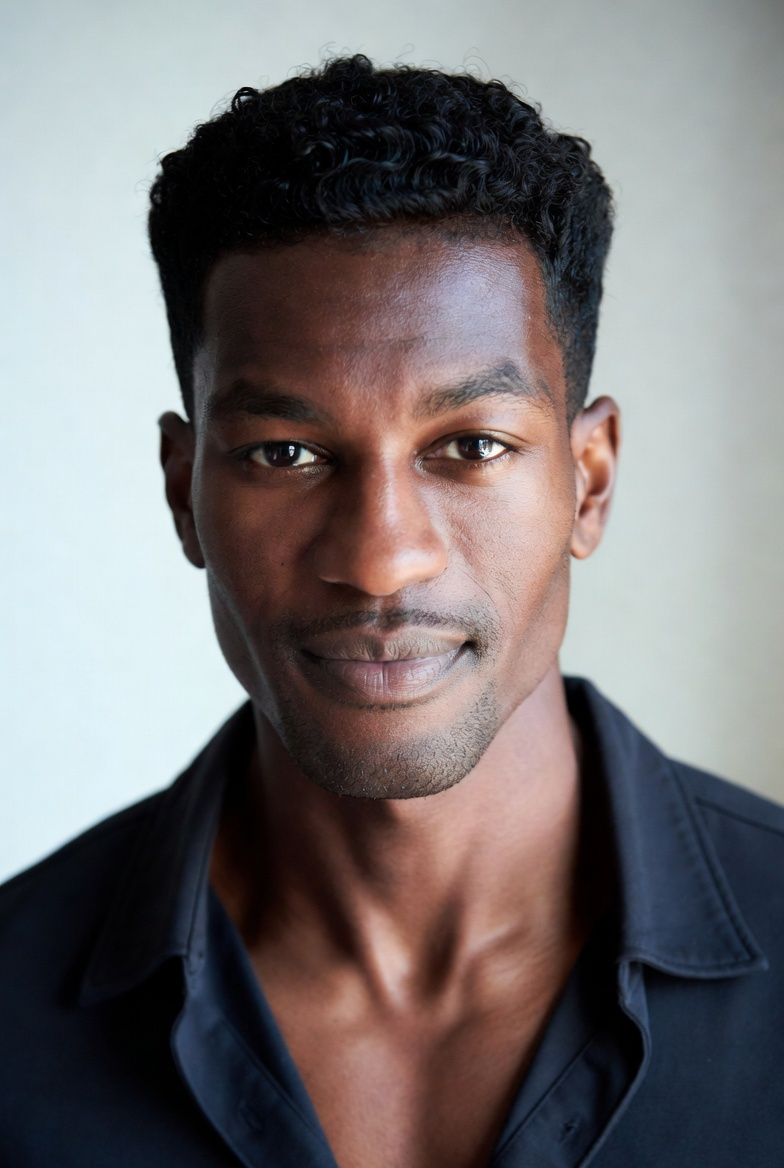

New York City Mayor Zohran Mamdani is actively working to influence the 2028 Democratic presidential primary, seeking to build a durable political infrastructure for the socialist movement, according to recent reports and analyst commentary. Mamdani, a self-described Democratic socialist who defeated former Gov. Andrew Cuomo in the 2025 mayoral primary, has held private meetings with top union leaders to encourage labor-aligned candidates to enter the race, Axios reported on Nov. 8.
The effort follows significant gains by Democratic socialists in the 2026 midterm elections, where six DSA-endorsed candidates won House races. Political analysts suggest that Mamdani’s strategy focuses less on backing a specific individual candidate and more on consolidating the movement’s power, potentially impacting the party’s platform regardless of who secures the nomination.
What the Right Is Saying
Conservative commentators warn that the ascendancy of the socialist wing within the Democratic Party could have significant economic and structural consequences. Nicole Huyer argued that the "socialist economic agenda remains completely destructive," specifically citing policies such as steep wealth taxes and rent control, which she stated could "be devastating" to the U.S. economy. Huyer added that while socialism may be gaining ground "ideologically and culturally due to messaging success," its policy implications are severe.
Wayne Winegarden, a senior fellow in business and economics, suggested that Democrats embracing far-left candidates in the next cycle could help the GOP "regain political momentum" lost during the 2026 midterms. Critics point to the DSA’s broader platform, which includes abolishing the Electoral College and replacing the U.S. president and Supreme Court with bodies subordinate to Congress, as evidence of a radical shift away from traditional American political norms.
What the Left Is Saying
Supporters and progressive analysts argue that Mamdani’s actions represent a necessary consolidation of the momentum gained during the 2026 midterms. Nicole Huyer, a senior research associate at the Heritage Foundation, noted that Mamdani is "making sure that whoever the candidate is in 2028 will have a strong Democratic Socialists of America (DSA) and progressive movement backing them." She described this as "translating all of the victories socialists saw in 2026 into a coalition capable of winning nationally in 2028."
Stu Smith, an investigative analyst at City Journal, observed that the movement’s growth is self-perpetuating. "Many of DSA's current leaders were politicized through Bernie Sanders's presidential campaigns," Smith said. He noted that even a failed campaign could be "galvanizing," helping to cultivate a new generation of talent that continues to shape left-wing politics and public policy. Several DSA chapters, including those in Los Angeles, Atlanta, and Chicago, have issued resolutions urging Rep. Alexandria Ocasio-Cortez to launch a 2028 White House bid, signaling grassroots support for prominent progressive figures.
What the Numbers Show
Data from the 2026 midterm elections highlights the growing electoral strength of the DSA-endorsed bloc. Six DSA-endorsed candidates won their House races: Melat Kiros in Colorado; Darializa Avila Chevalier and Claire Valdez in New York; Donavan McKinney in Michigan; Angela Gonzales-Torres in California; and Chris Rabb in Pennsylvania. These victories occurred despite the broader political landscape, indicating a solid base for progressive candidates in specific districts.
Matthew Shor, Director of Public Opinion at the Manhattan Institute, provided strategic analysis on the potential primary field. He noted that "a larger number of progressive candidates could push the field toward policies favored by the party’s most committed activists," but warned of the risks: "too many progressives could split the vote in that lane and let a moderate circumvent them en route to the nomination." Shor stated that while factions want to influence the conversation, "they would much rather win the nomination."
The DSA’s "Workers Deserve More" platform proposes enacting "aggressive wealth taxes on the richest individuals and corporations" to fund public goods and infrastructure projects. This platform contrasts with the more moderate positions historically held by the Democratic leadership, creating a tension that Mamdani’s coalition-building efforts aim to resolve in favor of the progressive wing.
The Bottom Line
The central implication of Mamdani’s behind-the-scenes maneuvering is that the Democratic Party’s ideological center of gravity may shift leftward regardless of the 2028 nominee. If Mamdani succeeds in building a unified progressive coalition, the primary field may be dominated by socialist-aligned candidates, forcing any eventual nominee to adopt their policy priorities. Conversely, a fragmented progressive field could allow a moderate candidate to secure the nomination, though analysts like Stu Smith suggest that even this outcome would represent a "Pyrrhic victory" if it results in a strengthened, more organized socialist movement for future elections. The GOP’s strategy may hinge on whether they can frame this internal Democratic shift as a risk to economic stability or institutional norms.