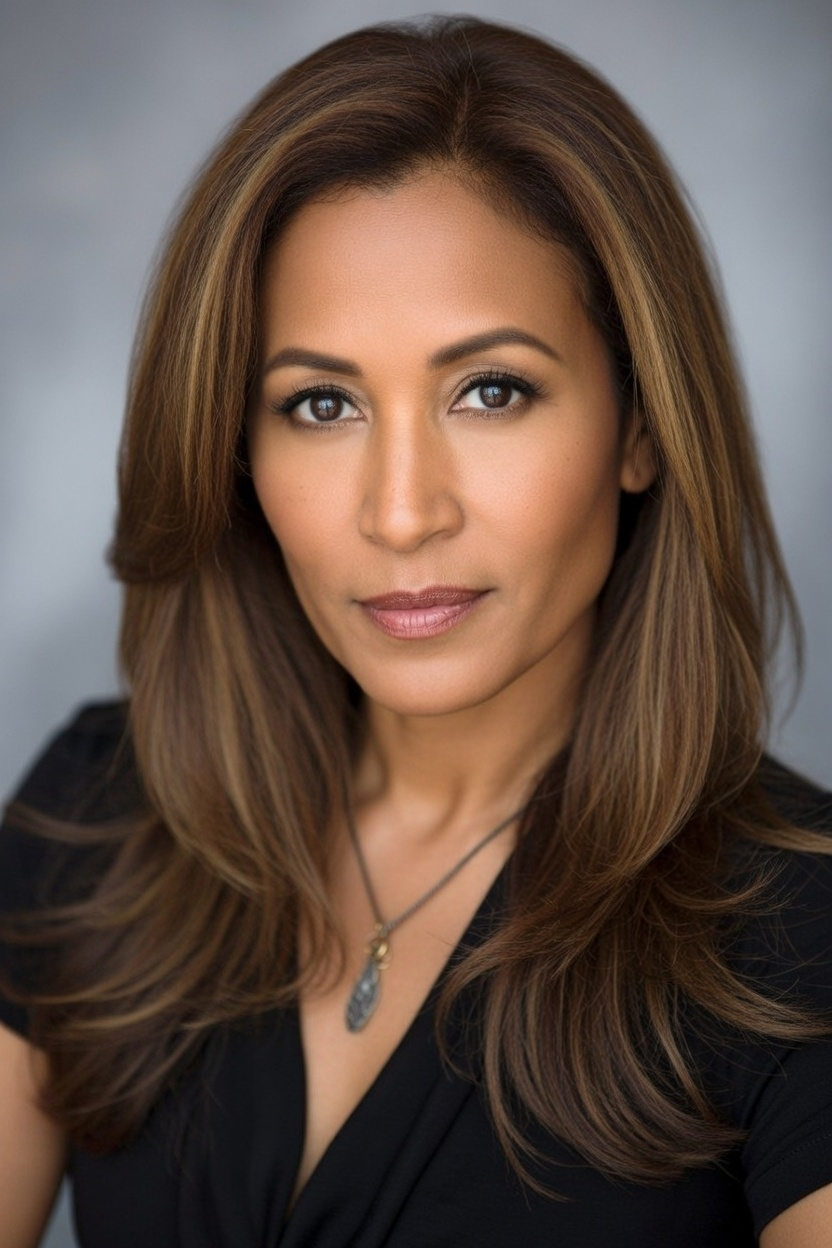
Liuba Wofford-Keller, a Russian-born conservative activist in North Carolina, faces a criminal charge for cyberstalking after a warrant was issued citing her social media interactions with a local Democratic Party official. The charge stems from online posts made between March and November, during which Wofford-Keller engaged with Lisa Wells, the secretary of the Moore County Democratic Party. Wofford-Keller, who has been active in supporting Republican candidates and criticizing Congressman-elect Richard Ojeda, argues that the prosecution represents an infringement on her freedom of speech.
What the Left Is Saying
Lisa Wells, the complainant in the case, stated that she presented months of documented conduct, including screenshots of electronic communications and social media activity, to a local magistrate judge. According to Wells, the judge independently found probable cause and issued the criminal process. Wells emphasized that she fully supports free speech, including political criticism, but expressed concern over a prolonged pattern of conduct that she says went beyond political disagreement. She noted that the behavior affected her sense of safety at home and in her community. In a separate application for a protective order, Wells claimed that Wofford-Keller frequently mentioned the town where she lived and identified her publicly as a precinct chair in Whispering Pines. Wells also cited posts by Wofford-Keller about shooting AK-47s at a gun range, which were not directed at Wells, as a source of fear that the conduct could escalate into physical violence. Wells declined to share specific posts with Fox News Digital, citing advice from her attorney.
What the Right Is Saying
Wofford-Keller contends that the charges are a direct attack on her political speech and remind her of the communist regime she left in the Soviet Union. She stated that she met Wells only twice in person, both on election days, and that the subsequent online interactions were heated political debates. "Freedom of speech is very important in our society because without the freedom of speech we have a totalitarian regime when the government dictates to you and tells you what you can say, what you cannot say," Wofford-Keller told Fox News Digital. She added that she moved to the United States in 1992 to escape a communist totalitarian regime and to exercise constitutional rights that she said are absent in Russia. Wofford-Keller expressed disbelief that she would face arrest in America for a post made in March. She noted that she has no criminal record and holds a security clearance for her work as a language services provider.
What the Numbers Show
The arrest warrant cites North Carolina General Statute G.S. 14-196.3, which prohibits repeated communication with the intent to abuse, annoy, threaten, terrify, harass, or embarrass any person. The warrant specifically lists "REPEATEDLY POSTING FOR THE PURPOSE OF ANNOYING, HARRASSING (sic), EMBARRASSING" as the prohibited use of an electronic communication device. The timeline of the alleged offense spans approximately eight months, from March 4 to November, coinciding with the primary and general election cycles in North Carolina. There has not yet been a hearing on the protective order filed by Wells. The case involves a private citizen and a local party official, with no public figure status attributed to Wells in the warrant documents. Wofford-Keller’s interactions with Wells were primarily conducted via social media platforms, including Facebook.
The Bottom Line
This case highlights the tension between online political expression and state laws designed to protect individuals from harassment. The outcome will depend on how courts interpret the threshold for "annoying" or "embarrassing" speech in the context of political debate. Legal experts note that such statutes are often challenged on First Amendment grounds, particularly when the speech in question is political in nature. The next step in the legal process will likely involve a hearing on the protective order and potentially a motion to dismiss the criminal charge based on free speech protections. The case is being watched by civil liberties advocates on both sides of the political spectrum as a potential test case for the limits of online political discourse in North Carolina.