
Prediction markets are drawing renewed attention as traders place bets on the outcome of the U.S. and Israel's war against Iran, with highly specific wagers placed shortly before a fragile ceasefire agreement earlier this week.
Accounts on prediction market platform Polymarket made trades betting on an announcement about a halt in fighting for April 7, with some traders pocketing hundreds of thousands of dollars in profits. The trades have fueled concerns about potential insider trading, with calls increasing among lawmakers for investigations.
What the Left Is Saying
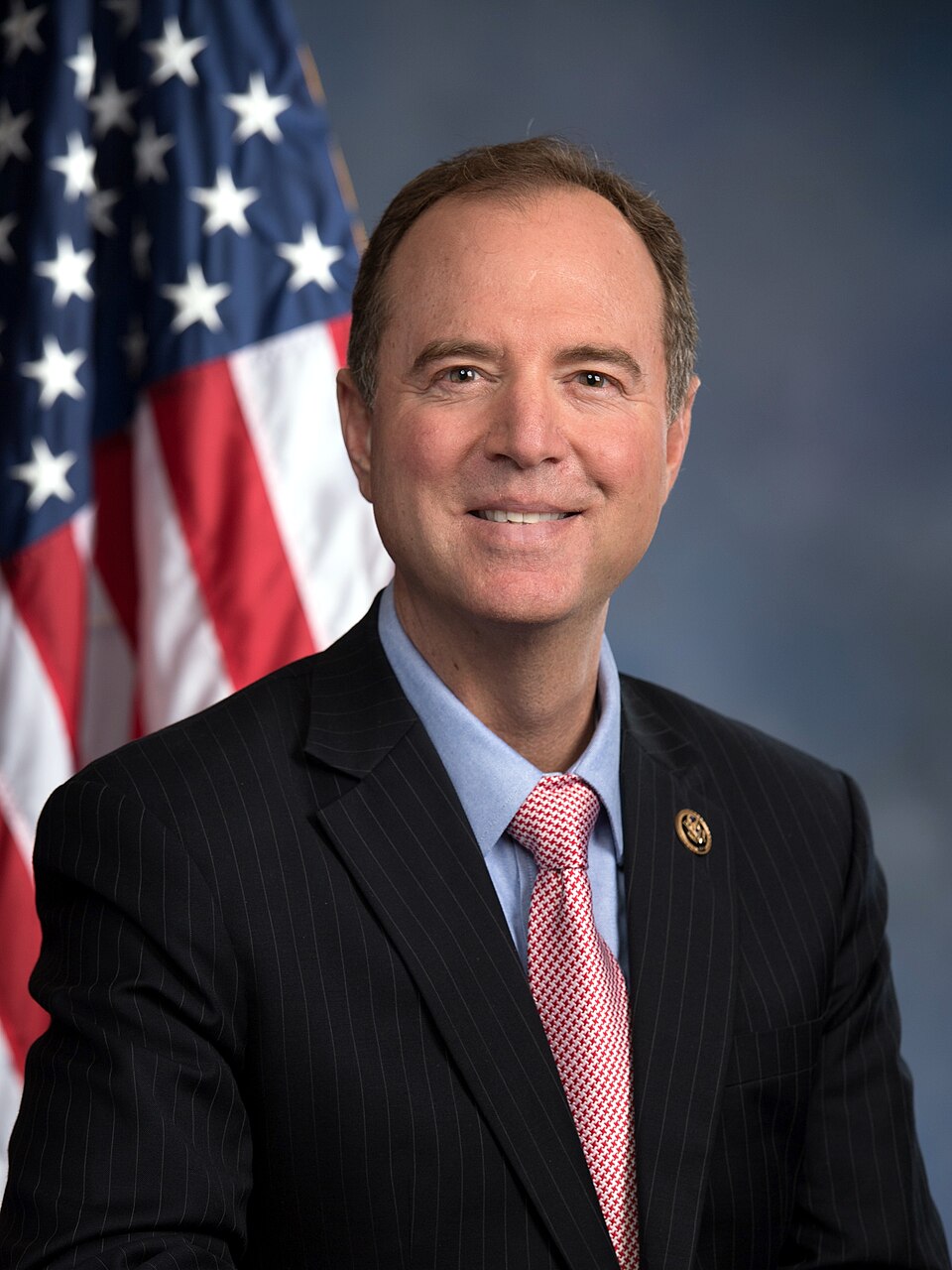
Democratic lawmakers are leading calls for greater scrutiny of prediction markets. Sen. Adam Schiff has sought an outright ban on contracts related to war, terrorism and assassinations, arguing that such markets can be exploited for insider trading and may incentivize harmful outcomes.
Critics from the left emphasize the potential for market manipulation and harm to vulnerable users. Karl Lockhart, an assistant professor of law at DePaul University who has studied this space, described the current regulatory framework as 'a huge loophole' that allows prediction markets to avoid state-level restrictions placed on traditional gambling.
Concerns about user harm have also emerged. Critics stress that the ease and speed of joining these 24/7 wagers leads to financial losses everyday, particularly harming users who may already struggle with gambling addiction. Some progressive advocates have called for stronger consumer protections and more rigorous Know Your Customer requirements.
What the Right Is Saying
The Trump administration has thrown its support behind prediction market operators. The Commodity Futures Trading Commission, under Trump's leadership, cleared Polymarket to return to the U.S. market late last year after a 2022 settlement had barred the platform from operating in the country.
Proponents of prediction markets argue that putting money on the line leads to better forecasts and provides a valuable alternative to polling for gauging public opinion. Industry supporters note that markets can aggregate information more efficiently than traditional prediction methods.
The administration has also sued three states over their efforts to regulate prediction markets, maintaining that the CFTC has sole authority to regulate the industry. Many lawyers expect litigation to eventually reach the U.S. Supreme Court over the question of federal versus state jurisdiction.
Kalshi, Polymarket's top competitor and a federally-regulated exchange since 2020, has maintained that it always bans insider trading. The platform has moved to bar political candidates from trading on their own campaigns and preemptively blocked anyone involved in college or professional sports from contracts related to the sports they play or are employed by.
What the Numbers Show
One anonymous Polymarket trader pocketed more than $400,000 following the U.S. military's capture of former Venezuelan President Nicolás Maduro in January, according to reports. Traders who placed bets on an April 7 ceasefire announcement collectively earned hundreds of thousands in profits.
The CFTC oversees the overall U.S. derivatives market, which handles trillions of dollars in transactions. However, the commission is much smaller than the Securities and Exchange Commission. Currently, CFTC chairman Michael Selig is the sole member filling just one of five commissioner slots.
Polymarket was barred from operating in the U.S. following a 2022 settlement with the CFTC. The platform returned to the U.S. market late last year after receiving clearance from the commission. Major League Baseball signed a deal with Polymarket last month, following partnerships in professional hockey and soccer.
The scope of prediction market topics has expanded significantly. Users have bet millions on events including a rumored 'secret finale' for Netflix's 'Stranger Things,' whether the U.S. government will confirm the existence of extraterrestrial life, and how much billionaire Elon Musk might post on social media in a given month.
The Bottom Line
Prediction markets occupy a regulatory gray area that both sides of the aisle are seeking to address. While Congress members from both parties have introduced legislation for more guardrails, the CFTC currently has authority over event contracts and has opposed state-level regulation.
The Iran ceasefire trades have intensified calls for investigations into potential insider trading. Polymarket has rewritten its rules to prohibit trading on contracts where users might possess confidential information or could influence event outcomes. However, enforcement remains challenging given that most users can trade under anonymous pseudonyms.
The conflict between federal and state authority over prediction markets is likely to reach the Supreme Court. As the industry grows rapidly with partnerships from major sports leagues and media organizations, the debate over appropriate oversight and consumer protection will continue to intensify.