
New York City Mayor Zohran Mamdani (D) criticized a recent Supreme Court ruling on the Voting Rights Act, saying the decision "risks disenfranchising millions" of Americans.
On Wednesday, the Supreme Court ruled 6-3 that Louisiana's addition of a second majority-Black congressional district constituted an unconstitutional racial gerrymander. The case centered on Section 2 of the Voting Rights Act, which has historically allowed advocacy groups to push for additional majority-minority districts. Justice Samuel Alito wrote the majority opinion.
"That map is an unconstitutional gerrymander, and its use would violate the plaintiffs' constitutional rights," Alito wrote in the decision. The ruling does not eliminate Section 2 entirely but instead updates the legal framework that has governed Voting Rights Act cases for decades, according to Alito.
What the Right Is Saying
Conservative legal scholars and Republican officials have generally supported the ruling as consistent with the court's recent jurisprudence on racial redistricting. The decision aligns with earlier Supreme Court opinions that have placed limits on how race can be considered in drawing electoral maps, arguing that such considerations must not override individual constitutional rights.
Proponents of the ruling argue that the decision upholds constitutional principles preventing states from using race as the predominant factor in map-drawing. They contend that Section 2 remains intact and that Wednesday's ruling merely clarifies the standards for how racial demographics can be considered when creating districts.
What the Left Is Saying
Mamdani called the decision "a direct assault on the promise of the Voting Rights Act" in a post on the social platform X. "It risks disenfranchising millions of Americans along racial lines and weakening the very foundation of our democracy," he wrote.
"Democracy is not self-sustaining. We must build, preserve, and defend it together," Mamdani added. "Here in New York City, we will always lead a government of, by, and for the people — all of the people."
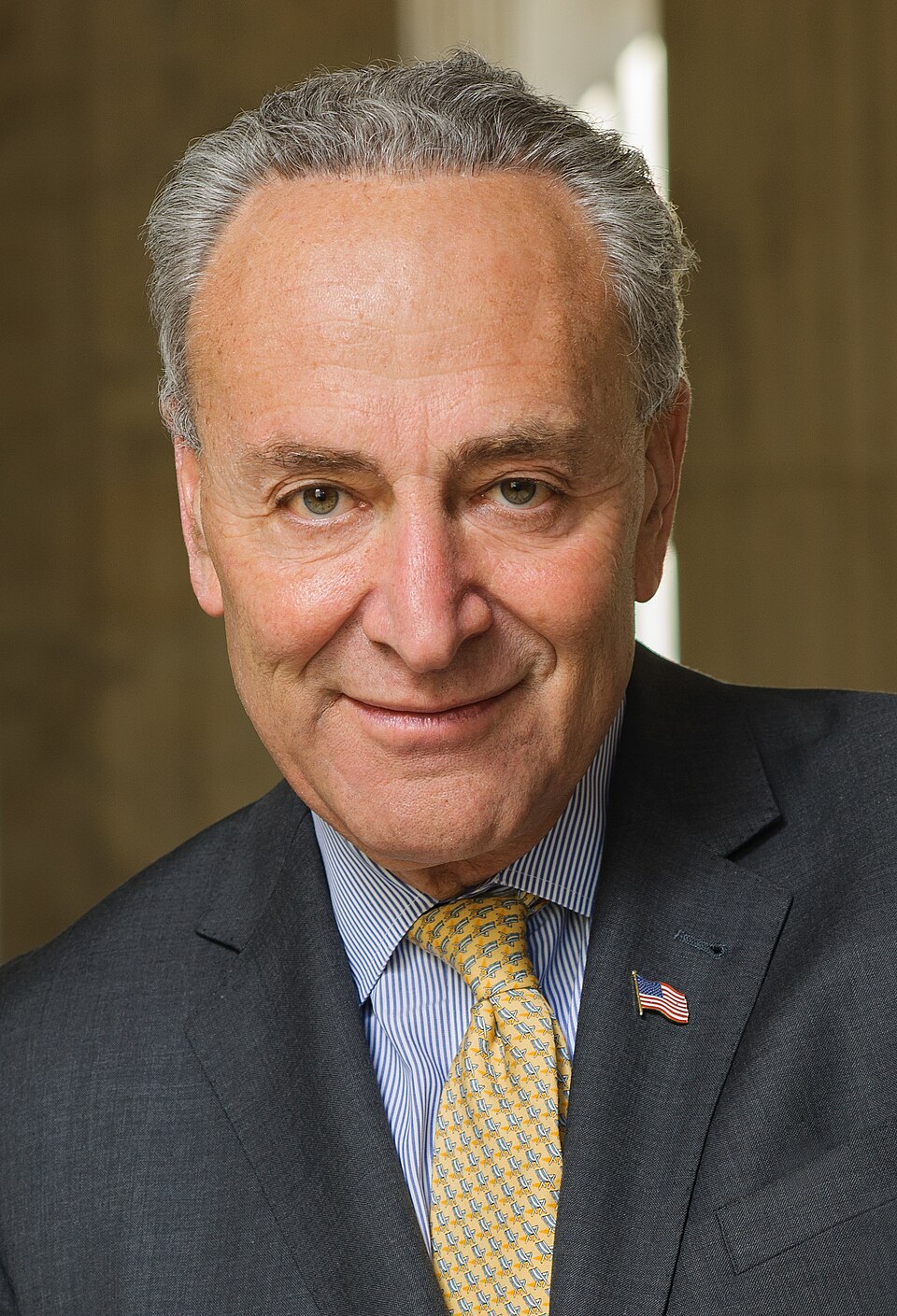
Senate Minority Leader Chuck Schumer (D-NY) joined the criticism, calling the ruling "awful" in a statement. "The consequence is as clear as it is dangerous: fewer protections for voters, more power for politicians to draw maps that silence them, particularly voters historically disenfranchised," Schumer said.
What the Numbers Show
Wednesday's decision marks the third major Voting Rights Act case in recent years where the conservative majority has narrowed federal oversight of state redistricting efforts. Louisiana will now need to redraw its congressional map without the second majority-Black district that was added following the 2020 Census.
The court's conservative bloc has grown more influential following appointments during the Trump administration, with Wednesday's vote falling along ideological lines: six conservative justices in the majority and three liberal justices dissenting.
The Bottom Line
The ruling represents a significant shift in how courts will evaluate redistricting plans that consider racial demographics. While Section 2 of the Voting Rights Act remains law, advocacy groups will face higher hurdles when challenging maps they believe dilute minority voting power. Legal experts expect this decision to reshape redistricting battles in other states with substantial minority populations.