
Illinois Gov. JB Pritzker (D) condemned the U.S. Supreme Court's decision to strike down Louisiana's voting map, calling it an "abomination" during a press conference Wednesday.
In a 6-3 ruling, the high court ruled that Louisiana's addition of a second majority-Black congressional district was an unconstitutional racial gerrymander under Section 2 of the Voting Rights Act. The decision is expected to result in narrower applications of federal voting protections and affect future redistricting efforts across multiple states.
What the Right Is Saying
Florida Gov. Ron DeSantis (R) celebrated the ruling, which came as Florida's legislature passed a new congressional map crafted by his office. "The decision implicates a district in FL — the legal infirmities of which have been corrected in the newly-drawn (and soon to be enacted) map," DeSantis wrote on X.
Mississippi Senate Leader Delbert Housemann (R) commended the ruling in an X post, calling it a reaffirmation of states' rights. "Redistricting should be accomplished by the legislators Mississippians elect to represent them, and we have consistently proven we are more than capable of managing our own elections," he wrote.
Mississippi Gov. Tate Reeves (R) pledged last week to call a special session within 21 days of the Supreme Court's ruling, with the decision clearing the way for new GOP-drawn electoral maps in the state.
What the Left Is Saying
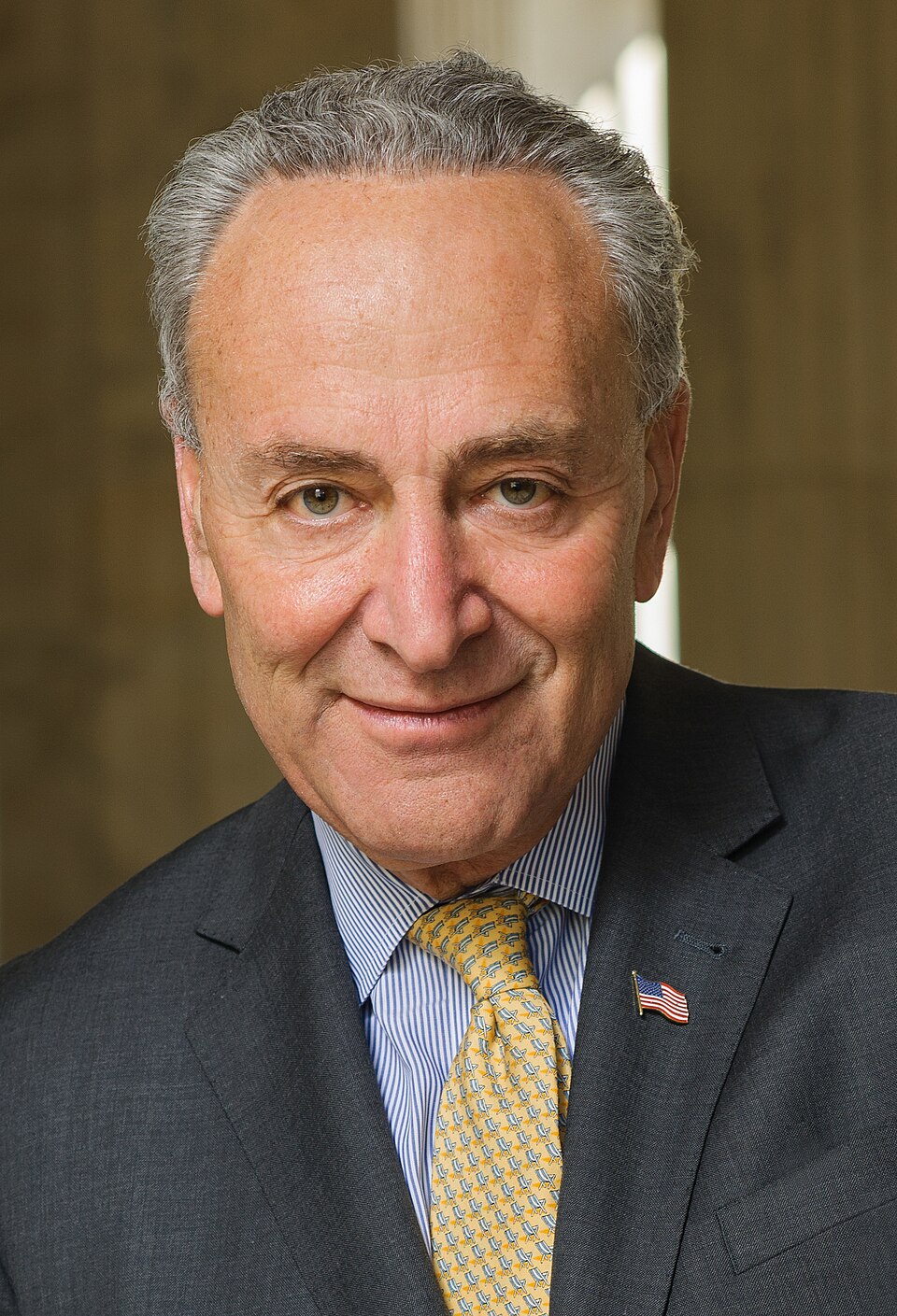
Senate Minority Leader Chuck Schumer (D-N.Y.) criticized the ruling, saying it will lead to "fewer protections for voters, more power for politicians to draw maps that silence them, particularly voters historically disenfranchised." The Democratic leader called the decision "awful" in a statement.
Pritzker said Illinois would not accept the court's ruling. "We're going to push back. We have options for pushing back," he told reporters during his Wednesday press conference. He added that discussions with the legislature were underway even as he spoke.
The Illinois state House recently approved a potential change to the state's redistricting laws in anticipation of the Supreme Court's decision. The constitutional amendment would require voter approval and aims to ensure minority representation in the legislature. The legislation must clear the state Senate by May 3 to appear on the November ballot.
What the Numbers Show
The Supreme Court ruled 6-3 along ideological lines, with all six conservative justices in the majority and all three liberal justices dissenting. Louisiana's map had created a second district where Black voters comprised a majority of eligible voters. The court's decision marks the latest in a series of rulings narrowing Section 2 of the Voting Rights Act, which prohibits racial discrimination in voting practices. Illinois' next scheduled redistricting is currently set for 2031.
The Bottom Line
The ruling signals that courts will apply stricter scrutiny to maps designed to create majority-minority districts. For states like Louisiana and Mississippi, the decision opens the door to new congressional maps drawn without federal preclearance requirements under Section 2. Illinois officials have indicated they will pursue state-level protections despite the court's decision. Observers should watch whether other Democratic-led states follow Illinois in pursuing constitutional amendments to safeguard minority representation through state law rather than relying on federal Voting Rights Act provisions.