
Prediction markets have drawn fresh scrutiny following a surge in trades related to the U.S. and Israel's war with Iran, with some traders profiting hundreds of thousands of dollars on wagers tied to a fragile ceasefire announcement.
On Polymarket, one of the largest prediction market platforms, a group of accounts placed highly specific trades betting on an announcement about a halt in fighting for April 7. The trades were placed shortly ahead of a fragile ceasefire agreement, and some traders quickly pocketed awards amounting to combined profits in the hundreds of thousands of dollars.
The timing and subject matter of these trades have fueled concerns about potential insider trading, with lawmakers from both parties calling for investigations. The trades once again put the spotlight on a growing world of speculative, 24/7 transactions filling the internet.
What the Left Is Saying
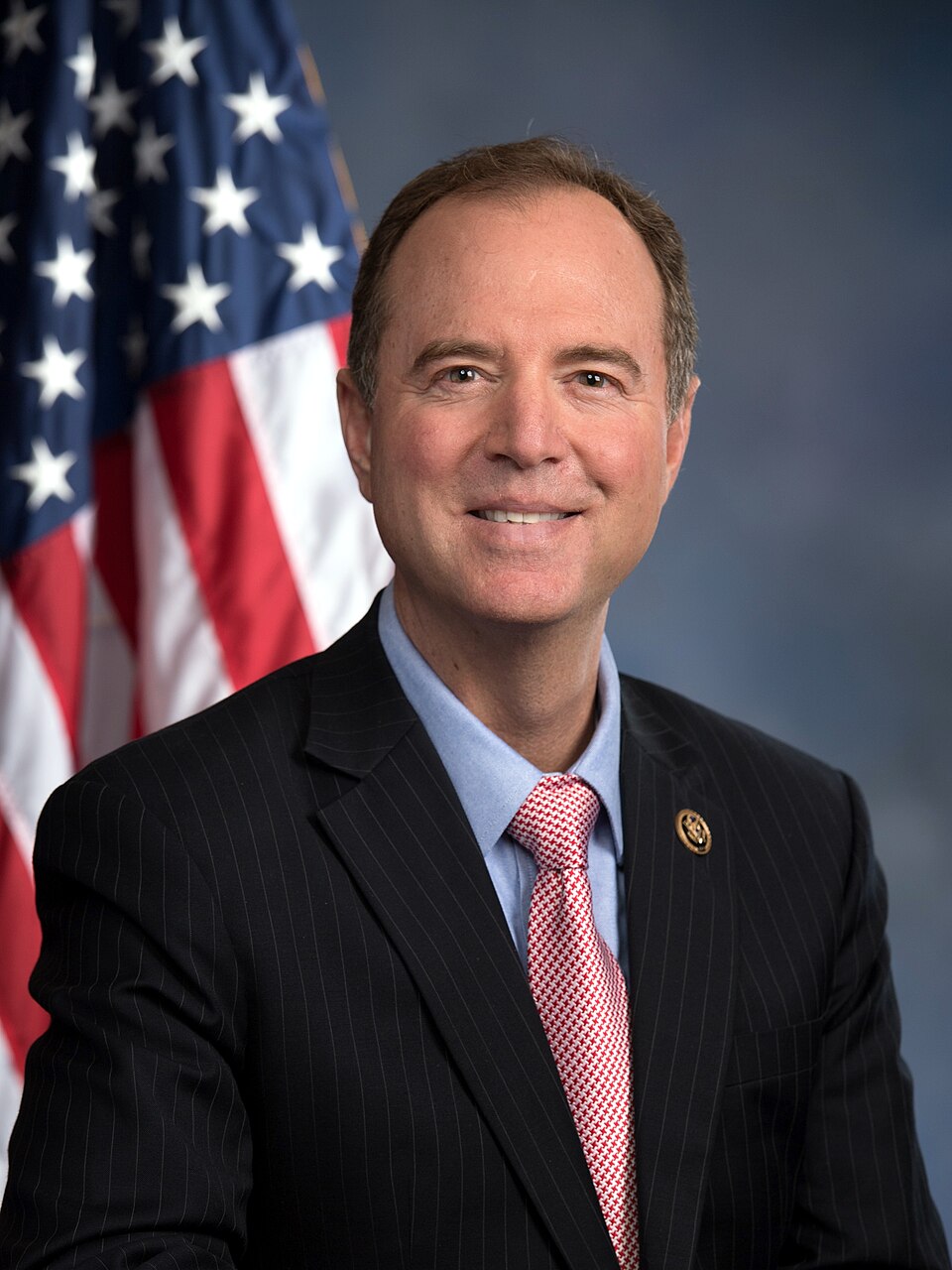
Progressive lawmakers and consumer advocacy groups have raised alarm bells about prediction markets, arguing they pose significant risks to vulnerable populations and may enable illegal insider trading. Democratic Sen. Adam Schiff has called for an outright ban on prediction market trades related to war, terrorism and assassinations.
Critics stress that the ease and speed of joining these 24/7 wagers leads to financial losses everyday, particularly harming users who may already struggle with gambling. Professor Karl Lockhart of DePaul University Law School, who has studied this space, called the current regulatory setup 'a huge loophole,' noting that platforms only need to comply with one set of federal regulations rather than rules from each state.
Democrats have also pointed to the Trump administration's support for prediction market operators, including its lawsuit against three states attempting to regulate them further. Progressive critics argue this prioritization of industry interests over consumer protection creates a dangerous precedent.
What the Right Is Saying
Supporters of prediction markets argue they serve a valuable function in gauging public sentiment and can lead to better forecasts by putting money on the line. The Trump administration has thrown its support behind prediction market operators, with the Commodity Futures Trading Commission under Trump granting clearance for Polymarket to return to the U.S. market late last year.
Conservatives emphasize that prediction markets represent financial innovation and free-market principles at work. The administration has maintained that the CFTC has sole authority to regulate prediction markets, pushing back against state-level efforts to restrict them.
Kalshi, Polymarket's top competitor and a federally-regulated exchange since 2020, has maintained that it always bans insider trading. Both platforms have implemented new guardrails — Polymarket rewrote its rules to explicitly prohibit users from trading on contracts where they might possess confidential information, while Kalshi barred political candidates from trading on their own campaigns.
What the Numbers Show
An anonymous Polymarket trader reportedly pocketed more than $400,000 following the U.S. military's capture of former Venezuelan President Nicolás Maduro in January — a trade that raised questions given its timing.
The CFTC, which regulates prediction markets as event contracts, currently has just one commissioner — chairman Michael Selig — filling one of five seats. Despite overseeing trillions of dollars for the overall U.S. derivatives market, the agency is much smaller than the Securities and Exchange Commission.
Polymarket allows users to fund accounts through cryptocurrency, debit or credit cards, and bank transfers. The platform was barred from operating in the U.S. following a 2022 settlement with the CFTC under the Biden administration, but returned after receiving clearance from the commission late last year. American-based users can now join a waitlist to access the platform.
The industry has grown rapidly, with Major League Baseball partnering with Polymarket last month and sports betting giants DraftKings and FanDuel launching their own prediction platforms. The AP agreed to sell its U.S. elections data to Kalshi just weeks before the 2024 election.
The Bottom Line
Prediction markets continue to grow in scope and popularity, even as questions persist about transparency, insider trading, and consumer protection. The Trump administration has supported industry operators in their disputes with states seeking to impose additional regulations, and legal experts expect this tension to eventually reach the Supreme Court.
Lawmakers from both parties have introduced legislation for more guardrails, and platforms have responded with new rules to address insider trading concerns. However, critics argue these measures are insufficient given the speed and anonymity of trades.
The Iran-related trades highlight how prediction markets now extend far beyond elections and sports to encompass geopolitical events, including active conflicts. The CFTC has authority to bar event contracts related to war and terrorism, though it remains unclear how this applies to the current Iran-related trades. Users may find ways to access certain contracts while traveling abroad or through different VPNs, potentially circumventing U.S. regulations.
What to watch: Whether Congress can pass comprehensive legislation, how courts rule on state-federal regulatory conflicts, and whether the CFTC takes action on war-related contracts.